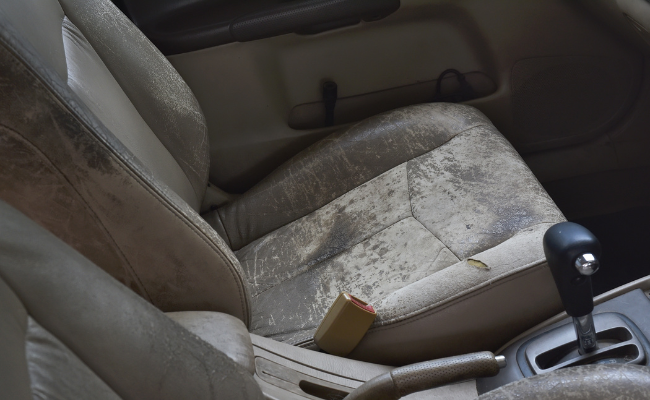
For a lot of people, getting mould on car seats can be very frustrating, often causing unpleasant smells, visible stains and damage to your car interior. If you’re wondering how to remove mould from car seats, using the right cleaning methods can help tackle the problem without damaging the material.
In this guide, you’ll learn how to remove mould from both fabric and leather car seats, what causes it to develop, and practical ways to help prevent it from returning.
Why Is Mould Growing on My Car Seats?
Mould can develop on car seats when moisture becomes trapped inside your vehicle. Leaking door seals, windows or sunroofs, damp clothing, wet sports kit and poor ventilation can all create the conditions mould needs to grow. Condensation from colder weather or your air conditioning system can also contribute to the problem.
You may notice mould as white, black, green or pink patches, often accompanied by a musty smell. If left untreated, it can spread across both fabric and leather surfaces and may affect the air quality inside your car. Removing mould as soon as you spot it can help prevent further damage and make it easier to clean.
What Are the Health Risks of Mould in Car Seats?
You may find that mould can affect the air inside your vehicle, particularly if spores become airborne when the seats are used or cleaned. For some people, this can lead to symptoms such as coughing, sneezing, nasal congestion or irritated eyes, especially if they have allergies or asthma.
Removing mould from car seats as soon as possible can help stop it from spreading further and reduce the chance of lingering odours. It can also help keep your car interior cleaner and more comfortable for everyone travelling in it.
Cleaning Mould from Fabric and Leather Car Seats
When you’re removing mould from car seats takes a little patience, but using the right cleaning method can help lift mould while protecting the material. You may find that following these steps gives the best results for both fabric and leather seats.
- Prepare the area
Wearing gloves and a face covering can help reduce contact with mould spores. It’s also worth opening the doors or windows to improve ventilation before you begin and removing any damp items from the car. - Vacuum loose mould
A vacuum with a brush attachment can help remove loose mould and debris from seats and carpets before any cleaning products are used. If possible, vacuum with the car doors open to help reduce the spread of spores inside the vehicle. - Choose the right cleaning solution
A mixture of white vinegar and water may work well on fabric seats, while leather seats usually benefit from a cleaner designed specifically for leather. It’s worth testing any cleaning product on a small, hidden area first to check it’s suitable for the material. - Clean the affected area
Allow the cleaning solution a few minutes to work before gently wiping or brushing the mould away with a soft brush or microfibre cloth. Gentle cleaning is often more effective than vigorous scrubbing, particularly on leather. - Remove excess moisture
A wet and dry vacuum or clean microfibre towels can help remove moisture and any remaining residue. Keeping the seat as dry as possible can help prevent mould from returning. - Allow the seats to dry thoroughly
Drying the seats completely is an important final step. You may find that leaving the doors or windows open, parking in direct sunlight or using a dehumidifier helps remove any remaining moisture. For fabric seats, a light sprinkle of baking soda once the seat is dry may also help reduce lingering odours before vacuuming.
How to Clean Mould from Leather Seats
You may find that the following methods work well without damaging the leather.
- Remove loose mould first: Brushing away loose spores before cleaning can help stop them spreading across the seat.
- Use a suitable cleaning solution: A cloth lightly dampened with a mixture of white vinegar and water, or diluted rubbing alcohol, may help lift mould from the surface. It’s worth avoiding excessive moisture, particularly around seams.
- Condition the leather afterwards: Applying a quality leather conditioner can help restore moisture and reduce the risk of the leather drying out or cracking.
- Allow the leather to dry naturally: If possible, leaving the car in direct sunlight for a short time may help remove any remaining moisture and discourage mould from returning.
- Avoid harsh chemicals: Bleach and other strong cleaning products can damage the protective coating on leather and may cause permanent discolouration.
Using Vinegar and Baking Soda to Clean Mould from Car Seats
Vinegar and baking soda are both popular home remedies for tackling mould on car seats. You may find that a mixture of white vinegar and water helps remove light mould while reducing musty smells, particularly on fabric seats. Baking soda can also help absorb lingering odours once the seat has dried.
It’s worth taking extra care when cleaning leather car seats, as vinegar may dry out the surface if it’s used too often or in strong concentrations. Choosing a cleaner that’s designed for leather is usually the safer option. Whatever cleaning method you use, testing it on a small, hidden area first can help make sure it’s suitable for your car seats.
When Should You Call a Professional for Mould Removal?
If mould keeps returning, the smell doesn’t go away, or it has spread through large areas of your car, it could be a sign that moisture is trapped beneath the seats or elsewhere inside the vehicle.
Professional cleaning services have specialist equipment that can help remove mould from deep within fabrics and reduce lingering odours. If you’re unsure whether you’ve removed all of the mould yourself, getting professional advice can help prevent the problem from returning.
How To Help Prevent Mould from Returning to Car Seats
You may find that fixing leaks around doors, windows or sunroofs, removing damp clothing or sports kit after each journey, and allowing fresh air to circulate through your car all help reduce the conditions mould needs to grow. Moisture absorbers can also be useful, particularly during colder or wetter months.
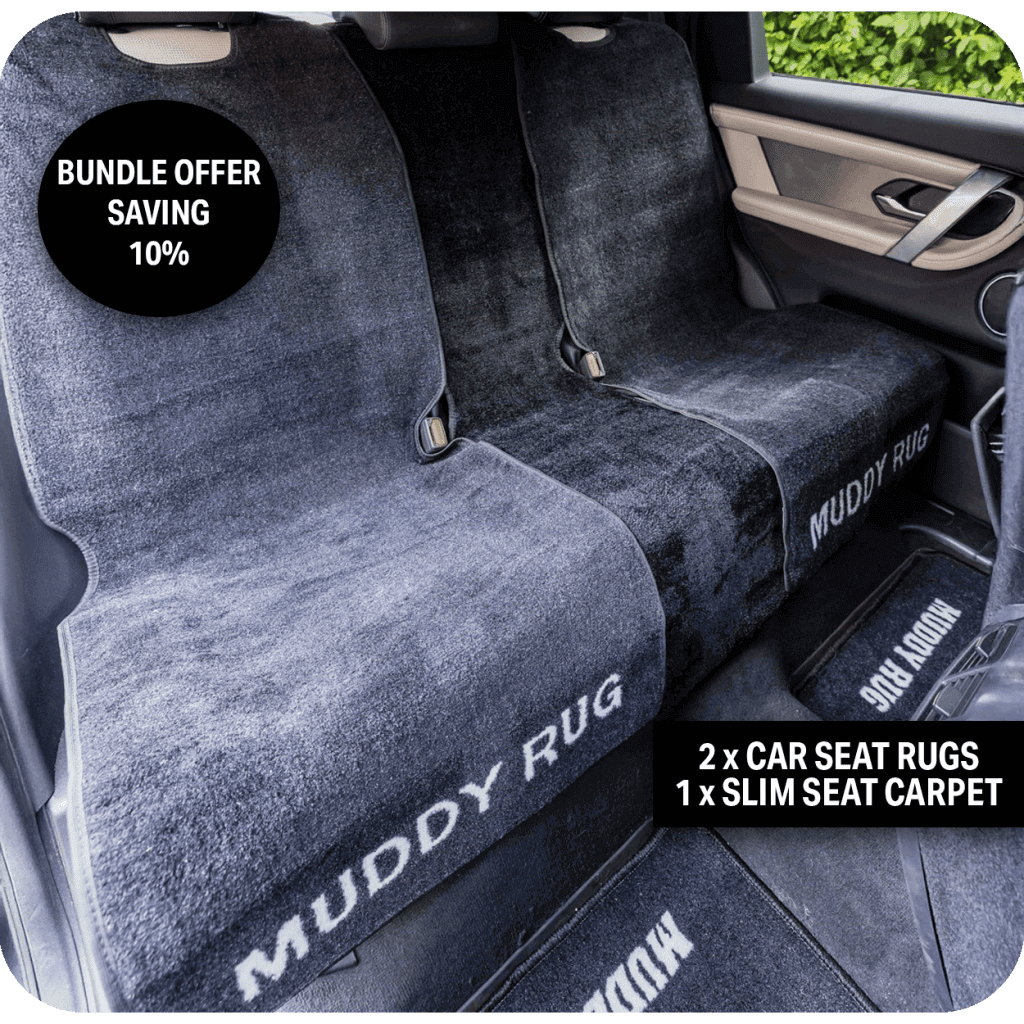
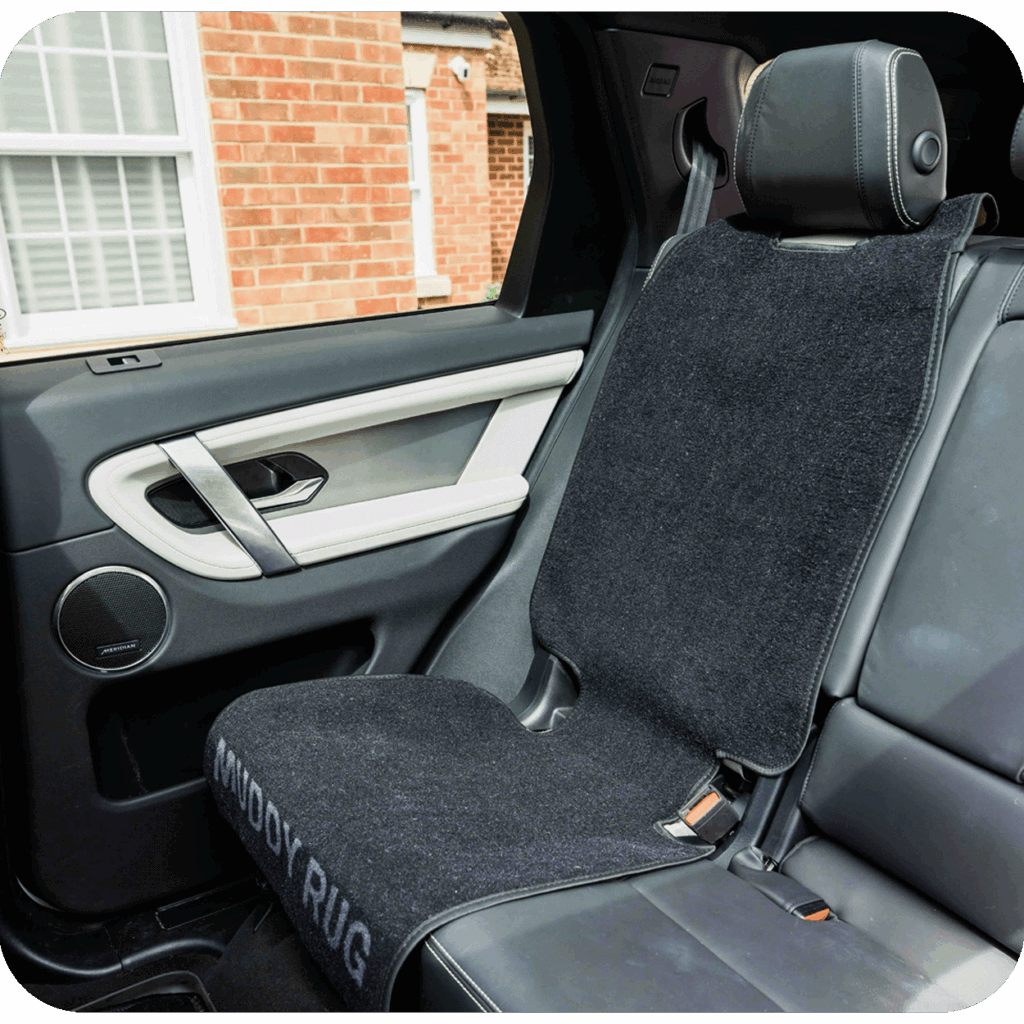
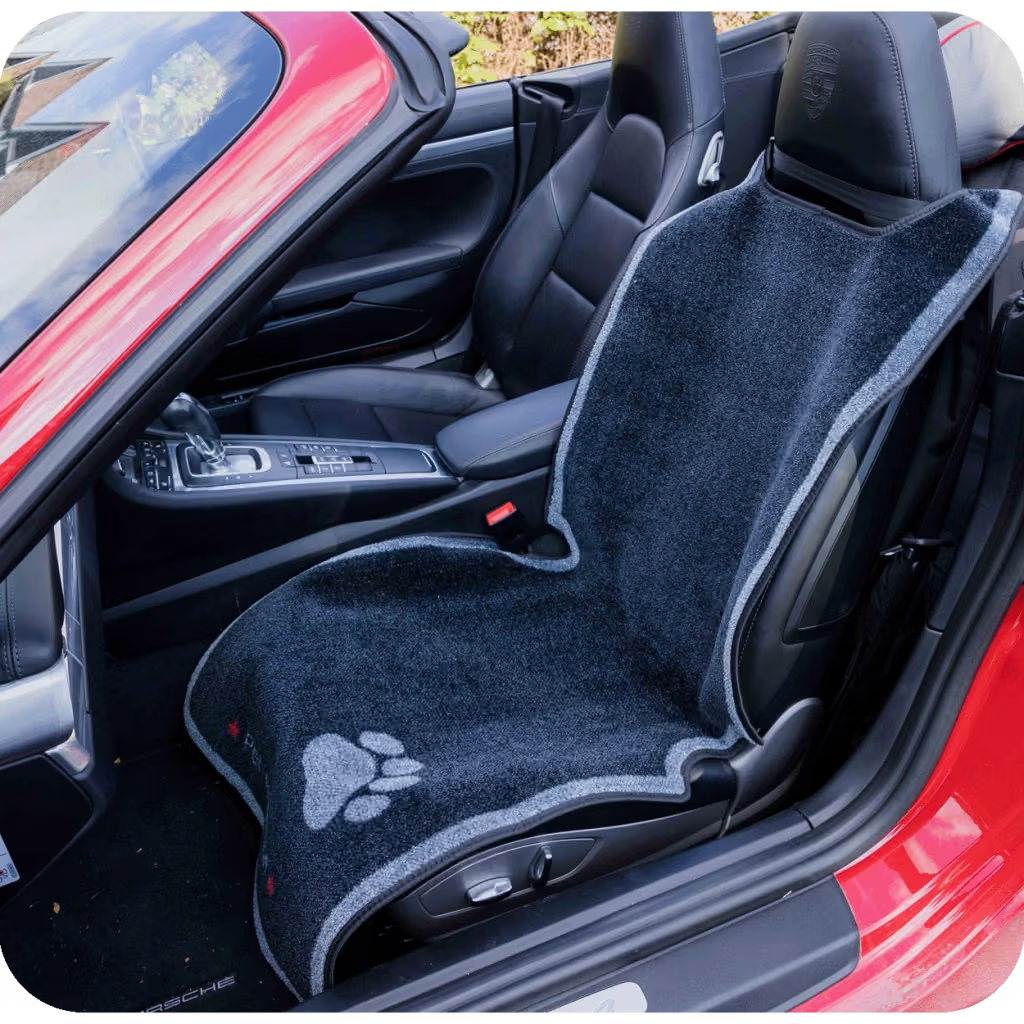
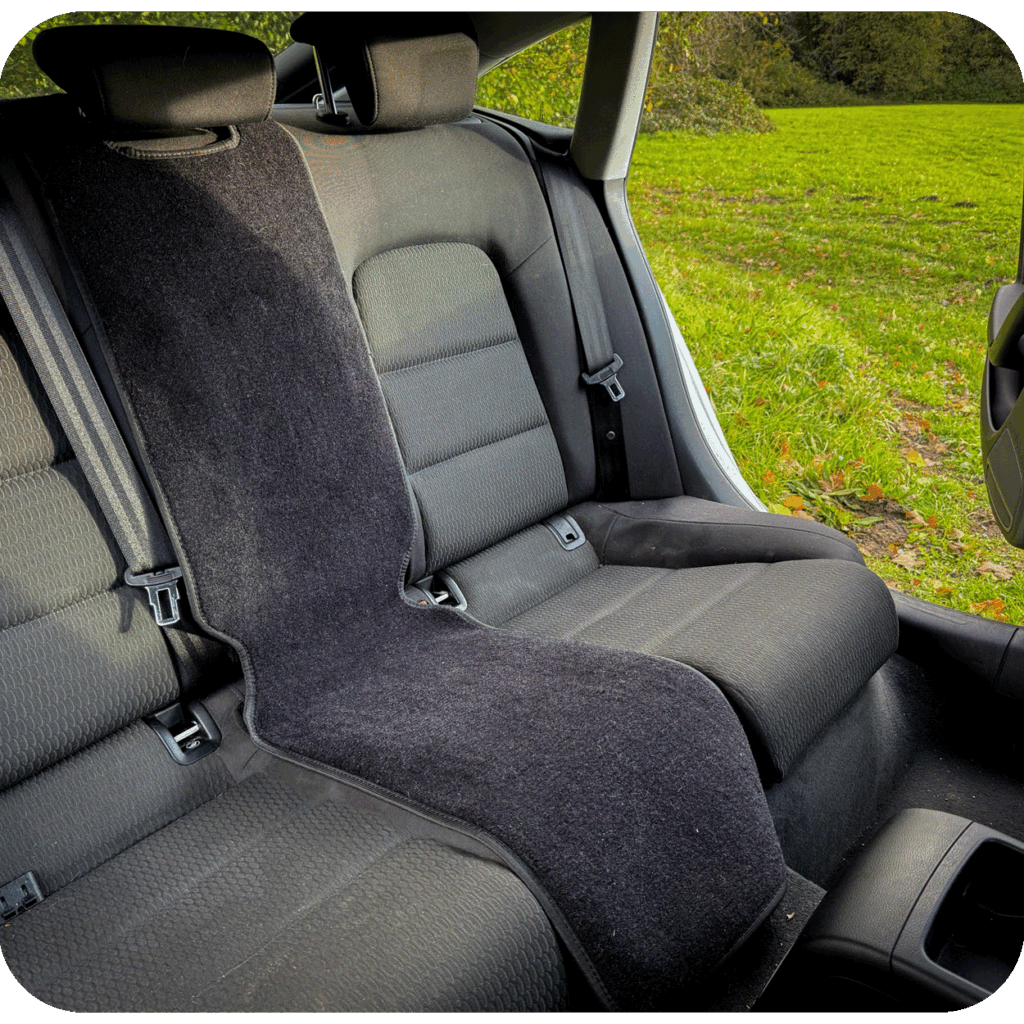
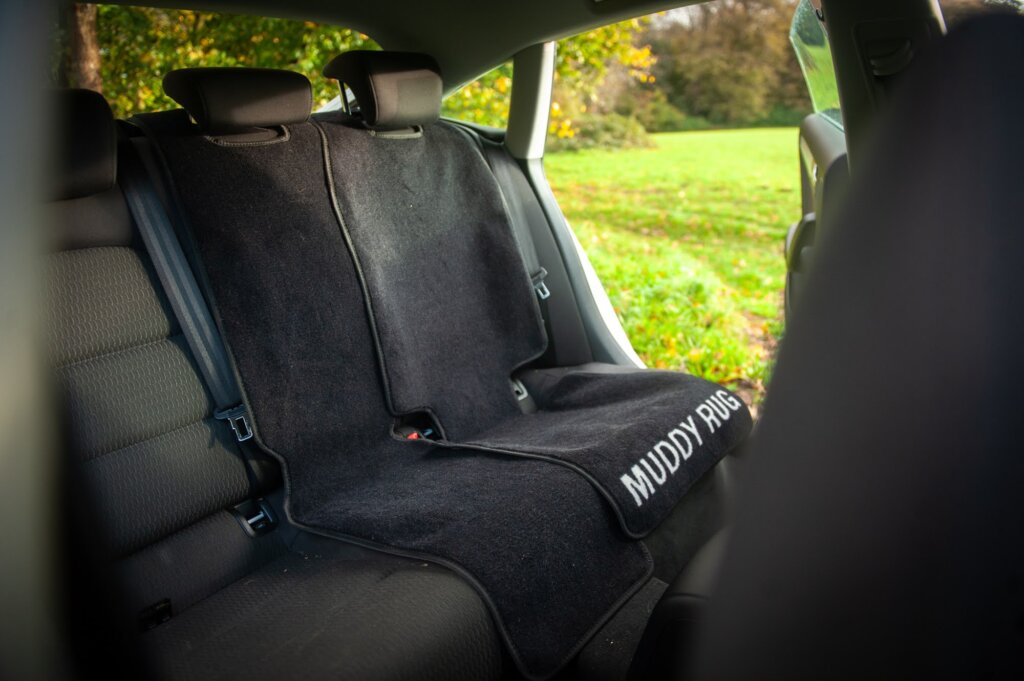
Regular vacuuming and cleaning can help keep your car interior free from dirt and moisture that may encourage mould over time. You might also consider using car seat mats or a car seat protector to help protect your seats from everyday wear, damp clothing and muddy sports kit, making them easier to keep clean throughout the year.
Choosing the Right Mould Remover for Car Seats
Upholstery cleaners designed for fabric work well on cloth seats, while leather cleaners are usually the better choice for leather interiors. Some mould removers are also designed to help reduce the chance of mould returning after cleaning.
Whatever product you choose, it’s worth following the manufacturer’s instructions and testing it on a small, hidden area first. Wearing gloves and making sure your car is well ventilated while cleaning can also help make the process safer and more effective.
Keeping Mould Out of Your Car for Good
Using the right cleaning products, drying your car thoroughly and dealing with any sources of moisture all help prevent mould from returning.
Keeping your car interior clean with regular maintenance can also reduce the chance of future mould growth. If the problem keeps coming back or has spread beyond the surface of the seats, professional cleaning may be the best option to help restore your car interior.
-
Back Seat Rug Set
Original price was: £67.97.£61.17Current price is: £61.17. -

Car Seat Rug
£24.99 -
Isofix Car Seat Rug
£24.99 -
Sports Seat Rug – Fixed Headrest
£29.99 -
Slim Seat Rug
£17.99