Fake tan stains on car seats can be difficult to remove, particularly from light coloured leather and fabric interiors. If you’re wondering how to remove fake tan from car seats, the right cleaning method can help lift stains without damaging the material.
In this guide, you’ll learn how to tackle fake tan stains on both leather and fabric car seats, along with practical tips to help prevent future marks and keep your car interior looking its best.
Why Does Fake Tan Stain Car Seats?
Fake tan contains an ingredient called dihydroxyacetone (DHA), which reacts with the outer layer of your skin to create a tanned appearance. As the product develops, some of it can transfer onto car seats, particularly if the tan hasn’t fully developed or been washed off. Light coloured leather and fabric seats are often the most noticeable, as even small marks can stand out.
You might find that some fake tan products are more difficult to remove than others, especially those containing bronzers or moisturising oils. These ingredients can leave behind both colour and residue, making stains harder to lift if they’re left for too long.
How to Remove Fake Tan from Leather Car Seats
Leather car seats need a gentle approach to avoid damaging the surface. You may find that one of the following methods works best depending on how fresh or stubborn the stain is.
- Leather cleaner: A pH neutral leather cleaner can help lift fake tan without drying out or damaging the surface. Applying it to a microfibre cloth rather than directly onto the seat can also help control the amount of moisture used.
- Baby wipes or make-up remover wipes: Unscented wipes can be useful for fresh fake tan marks and are often gentle enough for coated leather.
- Rubbing alcohol: A small amount applied to a microfibre cloth may help lift stubborn stains. It’s worth applying a leather conditioner afterwards to help restore moisture.
- Avoid harsh products: Bleach and strong cleaning chemicals can damage the protective coating on leather, making stains and wear more noticeable over time.
- Magic erasers: These can sometimes remove stubborn marks, but they can also wear away the leather’s finish. You might find they’re best kept as a last resort.
How to Remove Fake Tan from Fabric Car Seats
Fabric car seats tend to absorb fake tan more easily than leather, so stains can sometimes be a little harder to remove. You may find that these methods work well, depending on how long the stain has been there.
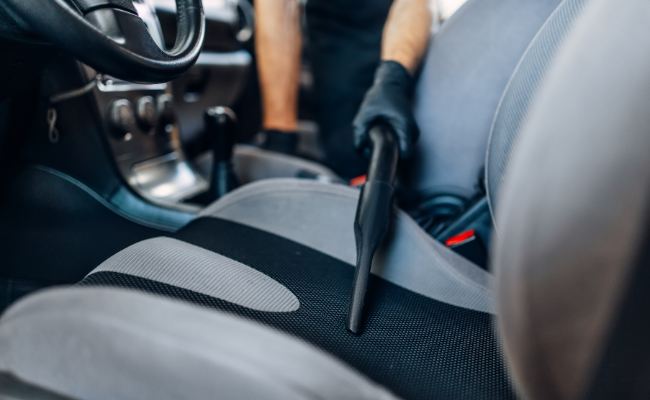
- Vacuum first: Removing loose dirt and debris before cleaning can help stop it from being worked further into the fabric.
- Washing-up liquid and warm water: A small amount of washing-up liquid mixed with warm water can help lift fake tan stains. You can dab the solution onto the affected area with a microfibre cloth before gently working it into the fabric.
- Baking soda: If the stain feels oily, baking soda can help absorb excess grease. Leaving it on the area for around 15 minutes before vacuuming may improve the result.
- White vinegar solution: For more stubborn stains, a mixture of white vinegar, a small amount of washing-up liquid and warm water can help lift any remaining fake tan. Applying the solution lightly can help avoid soaking the fabric.
- Allow the seat to dry naturally: Blot away any remaining moisture with a clean cloth and allow the seat to air dry. Opening the car windows can help speed up the drying process.
It’s worth avoiding too much moisture, as soaking fabric seats can affect the foam beneath and may lead to unpleasant odours.
Tips to Prevent Fake Tan Stains on Car Seats
Preventing stains is always easier than removing them. You may find that using a towel or washable seat cover after applying fake tan helps you protect your car seats while the product develops. If children are travelling after sports, swimming or outdoor activities, a kids changing robe waterproof can also help protect your seats from fake tan, moisture and everyday mess.

Allowing fake tan to dry fully before getting into your car can also reduce the risk of transfer. Wearing darker clothing, keeping your skin well moisturised and washing your hands and feet after application can all help minimise the chance of fake tan marks ending up on your seats, door handles and other interior surfaces.
Common Mistakes When Removing Fake Tan from Car Seats
Removing fake tan from car seats often comes down to using the right products and techniques. Harsh chemicals or bleach can damage both leather and fabric, while vigorous scrubbing may leave the material looking worn or faded. You might also find that leaving stains for too long makes them much more difficult to remove.
It’s worth choosing cleaning products that are suitable for the type of seat you’re treating. For example, washing up liquid can work well on fabric seats but isn’t always the best choice for leather, as it may strip away natural oils over time. Paying attention to seams and stitched areas is also important, as moisture can collect there if the seat isn’t dried thoroughly after cleaning.
The Best Products for Removing Fake Tan from Car Seats
Using the right cleaning products can make removing fake tan from car seats much easier while helping to protect the material. You may find that leather cleaners and conditioners work best for leather seats, while upholstery cleaners designed for fabric are better suited to lifting stains without causing damage. Microfibre cloths, soft brushes and detailing tools can also help reach seams and other hard to clean areas.
For more stubborn marks on fabric seats, products such as Vanish Oxi Action may help when used alongside the manufacturer’s instructions. Baking soda and a diluted white vinegar solution can also be useful for tackling light stains, although it’s always worth testing any cleaning product on a small, hidden area first to check it’s suitable for your car seats.
Fake Tan Stains and Clothing on Other Fabrics
Fake tan doesn’t just transfer onto car seats. Clothing, towels and other fabrics in your car can also pick up stains, particularly if the tan hasn’t fully developed. You may find that washing stained items promptly and pre-treating them with a suitable stain remover helps improve the results. Allowing items to air dry until the stain has lifted can also help prevent it from setting.
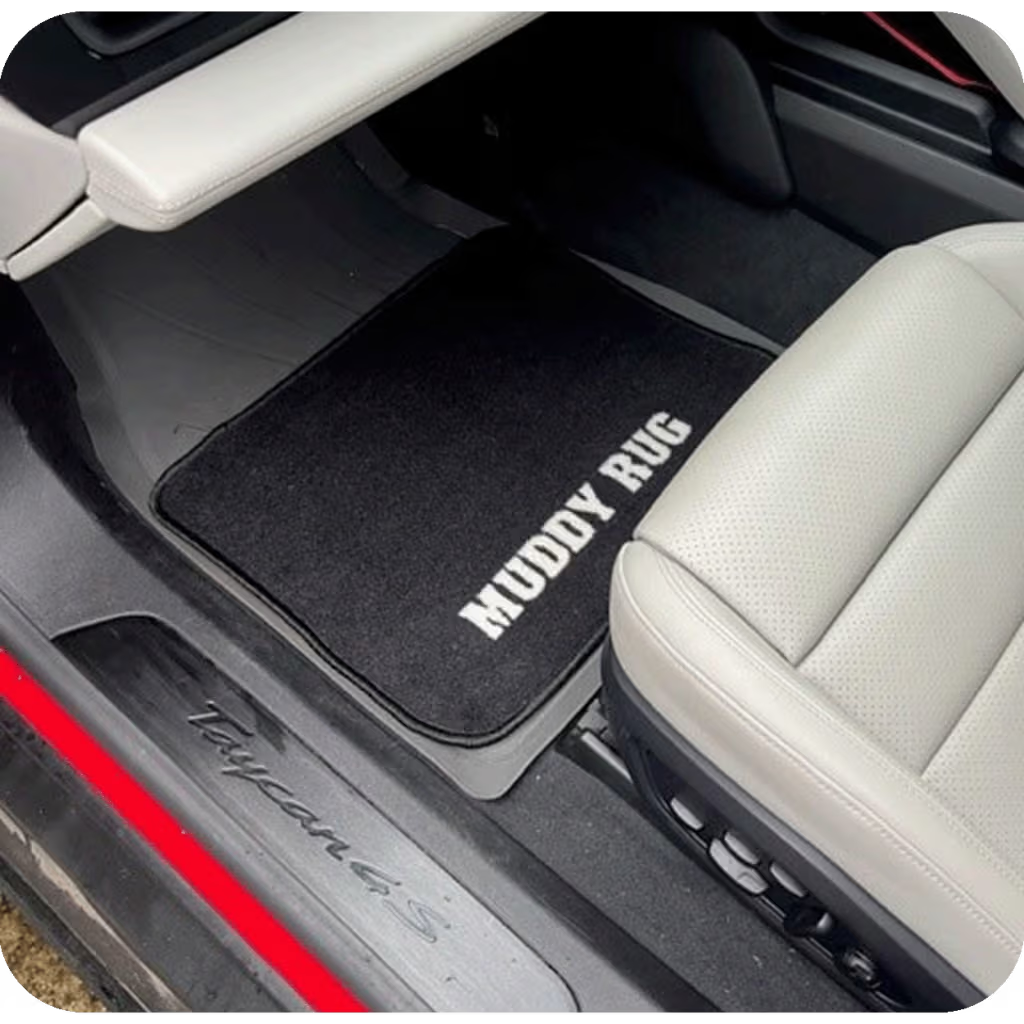
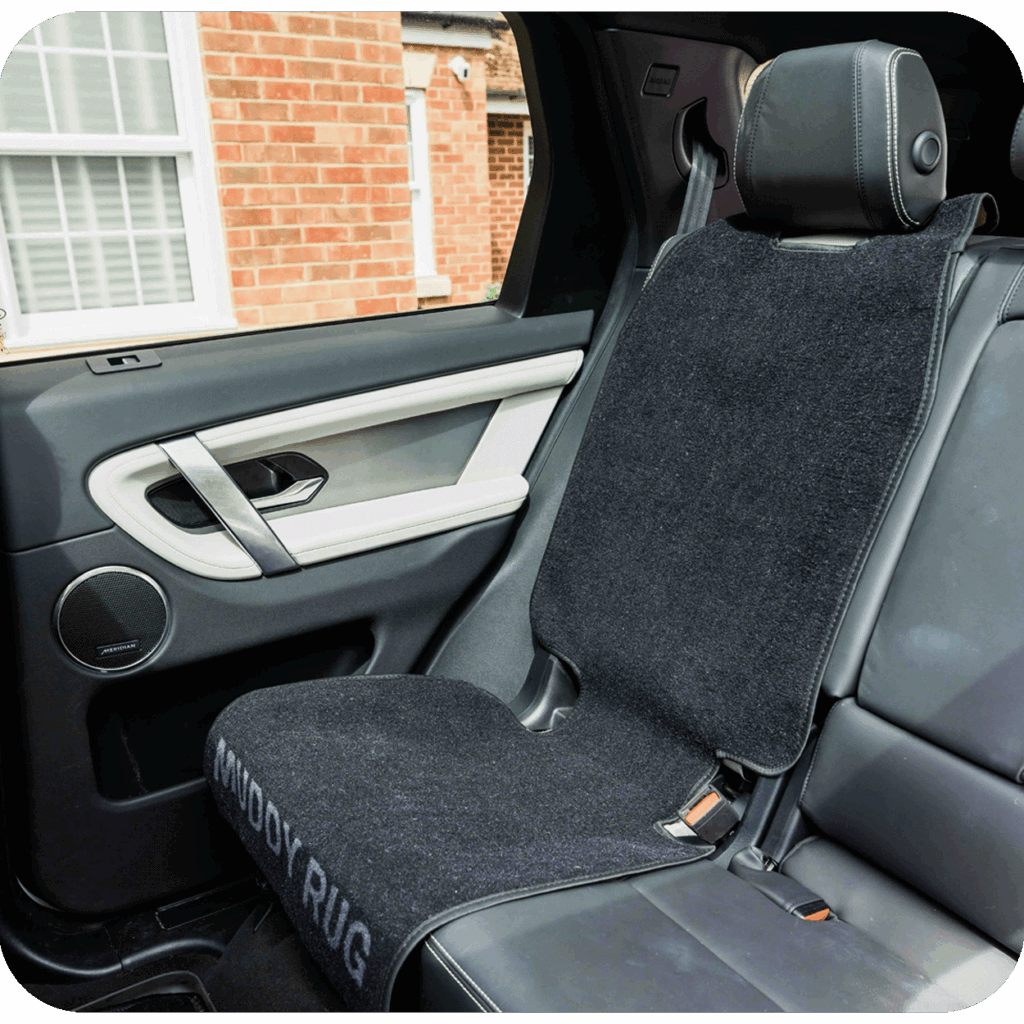
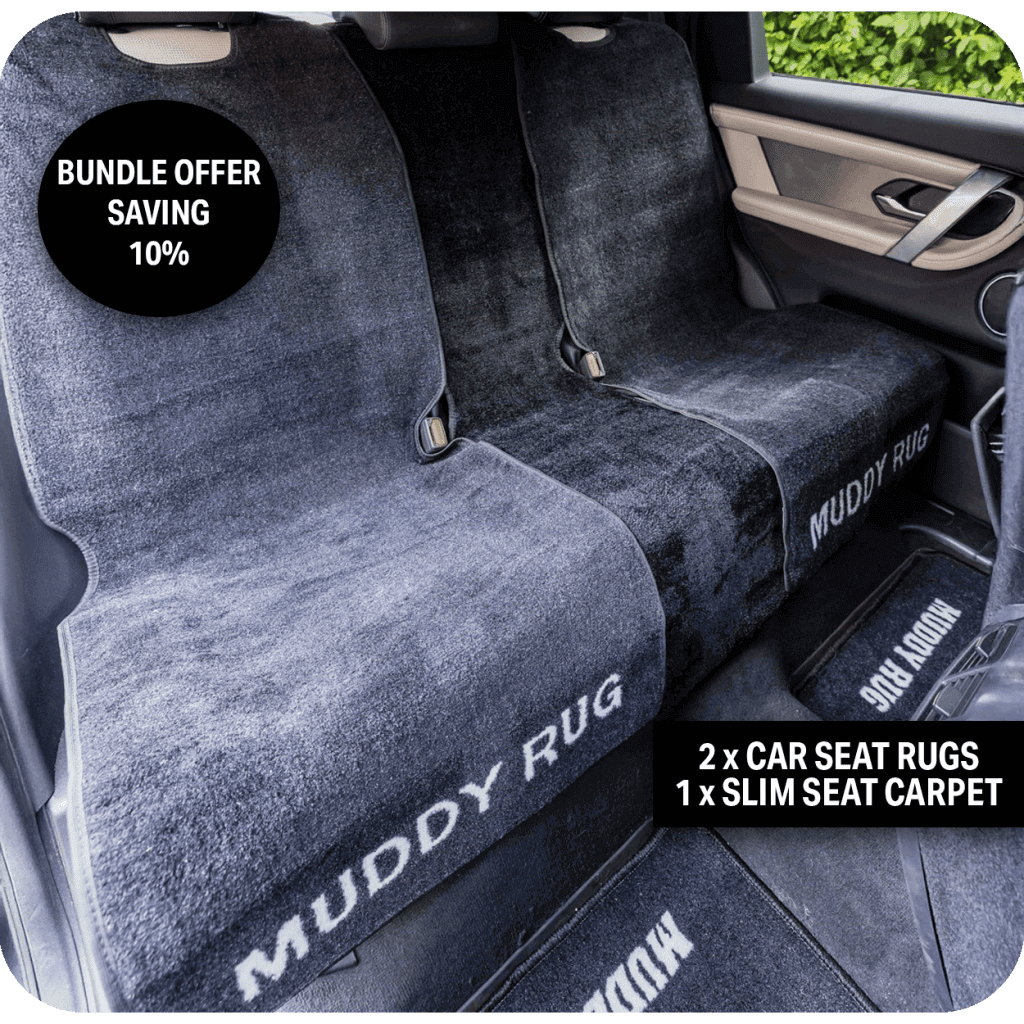
If you’re looking for practical ways to protect your car from everyday mess, the Muddy Rug range offers car seat mats and car footwell protectors designed to help keep your interior cleaner. They can be a useful addition for busy families, regular sports trips and everyday journeys where dirt, moisture and spills are more likely.
With the right cleaning methods and a little preventative care, you can keep your car interior looking its best while making future clean ups much easier.
-

Car Seat Rug
£24.99 -
Footwell Rug
£4.99 -
Isofix Car Seat Rug
£24.99 -
Warm Robe – Waterproof Changing Robe
Price range: £33.99 through £36.99 -
Back Seat Rug Set
Original price was: £67.97.£61.17Current price is: £61.17.