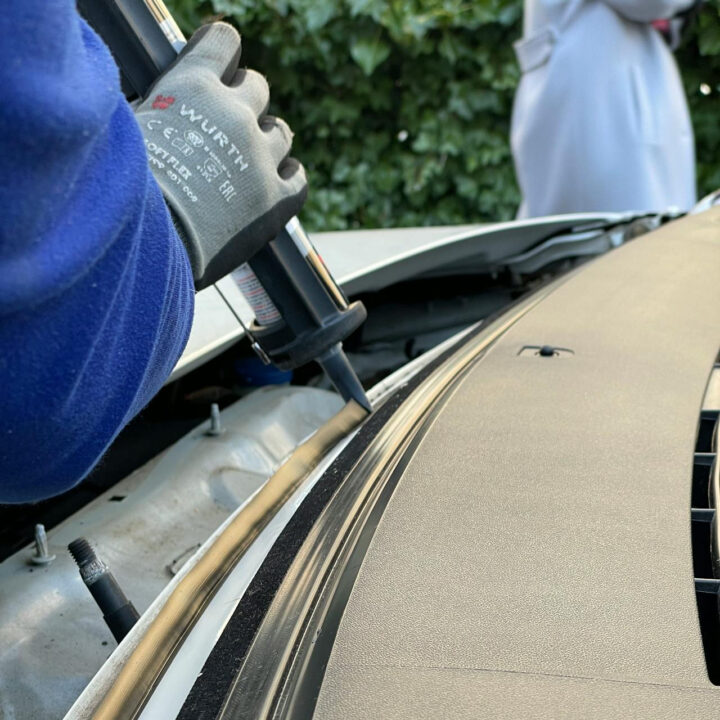
Silicone is one of the trickier substances to remove from your car’s interior, if you’re unlucky enough to spill some. Its slippery, stubborn texture makes it resistant to common cleaning techniques, especially when it’s on delicate materials like leather or fabric.
Your car’s upholstery is often delicate, and any harsh treatment risks damage. This guide helps you understand the most effective ways to clean silicone from your car seats while protecting your vehicle’s value. Whether you’re dealing with silicone spray lubricant or bathroom sealant, your best approach will be tailored to the type of seat material.
What Makes Silicone Difficult to Remove from Car Seats?
Silicone is notoriously tricky to clean off car seats because it is designed to resist exactly the kind of things you would normally use to remove it. Most silicone sealants and lubricants are water-resistant and built to last, so when they end up on your seats, they do not simply wash away.
Instead, they form a slippery, slightly sticky layer that clings to the surface. Whether your seats are fabric or leather, silicone tends to bond firmly, making it feel like it has soaked in rather than sitting on top. This is why standard water-based cleaners often have little to no effect, no matter how much you scrub.
This can make the cleaning process difficult as repeated cleaning can seem to spread the residue or make the surface feel worse. Even using stronger cleaners can backfire too, as harsher products can strip the colour from your seats and damage their finish.
How to Remove Silicone from Leather Car Seats
It is easy to do more harm than good when cleaning leather car seats if you use the wrong product, as leather can quickly lose its finish or become dry and marked.
Start by easing off any excess silicone with your fingernail or a plastic scraper, working slowly so you do not scratch the surface. Once the bulk is gone, take a soft cloth and lightly dampen it with diluted isopropyl alcohol or a cleaner that is safe for leather.
Gently blot the area rather than rubbing it, as friction can damage the top layer. You may need to repeat this a few times before the residue fully lifts, but patience pays off here.
When the silicone is gone, finish by applying a good leather conditioner. This step restores moisture and keeps the leather looking and feeling like it should, rather than dry or slightly rough after cleaning.
How to Remove Silicone from Fabric Car Seats
Fabric seats are a bit more forgiving than leather, but silicone can still cling and spread if you aren’t careful. The goal is to lift it gradually without pushing it deeper into the fibres.
Begin by removing as much of the silicone as you can by hand or with a plastic scraper. Even taking off a thin top layer makes the next steps far more effective.
From there, apply a small amount of citrus-based cleaner or a dedicated silicone remover to a microfibre cloth and gently work it into the stain with light blotting motions. This helps break down the oily nature of silicone without soaking the seat.
After that, go over the area with a fabric or upholstery cleaner to clear away any remaining residue. Let the seat dry naturally and avoid using too much liquid, as excess moisture can linger in the padding and lead to musty smells or mould over time.
If the stain is still visible, it is better to repeat the process patiently than to scrub aggressively and risk damaging the fabric.
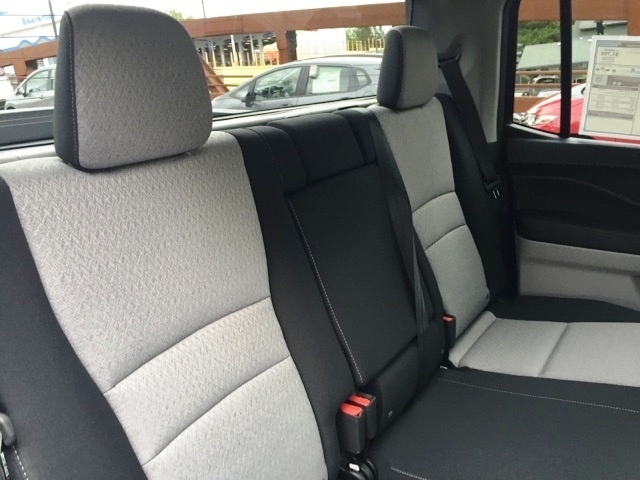
How Can You Remove Silicone from Car Paint or Metal?
Cleaning silicone off paint or metal needs a different approach, as the surface underneath is easier to scratch or dull if you are too heavy-handed.
Start by lifting away the bulk of the silicone using something non-abrasive like a plastic razor blade or even dental floss. These tools let you separate the sealant from the surface without digging into the paint.
Once most of it is gone, apply a small amount of isopropyl alcohol, always testing it first on a hidden spot to make sure it doesn’t affect the finish.
Work in small sections and avoid applying too much pressure, as that is where damage usually happens. In tougher cases, professionals may use rubber eraser wheels attached to drills, but that’s best left to someone experienced, as it’s very easy to leave marks if you get it wrong.
How Long Does It Take to Remove Silicone Residue from Car Seats?
You’ll likely find that removing silicone from car seats isn’t a quick job. Because of how stubborn and water-resistant it is, you should expect the process to take a bit of time rather than coming off in one go.
In most cases, it takes several rounds of cleaning to fully lift the residue. You might find that each attempt removes a little more, especially if you are combining gentle scraping with careful blotting.
Spacing this out over a couple of hours or days often works better than trying to tackle everything at once, as it gives the cleaner time to break down the silicone properly without putting stress on the material.
It is also important to rinse or wipe away any leftover residue thoroughly as you go. If not, you can end up with a slightly sticky or rough patch where the silicone has only been partially removed.
Staying patient throughout makes a real difference, not just in getting a cleaner result, but in keeping your seats in good condition rather than wearing them down through over-cleaning.
How to Protect Your Car Seats from Silicone Damage in the Future
The easiest way to deal with silicone on your car seats is to stop it becoming a problem in the first place. It’s designed to form a strong bond, so a bit of forward planning can save you a lot of time and effort later.
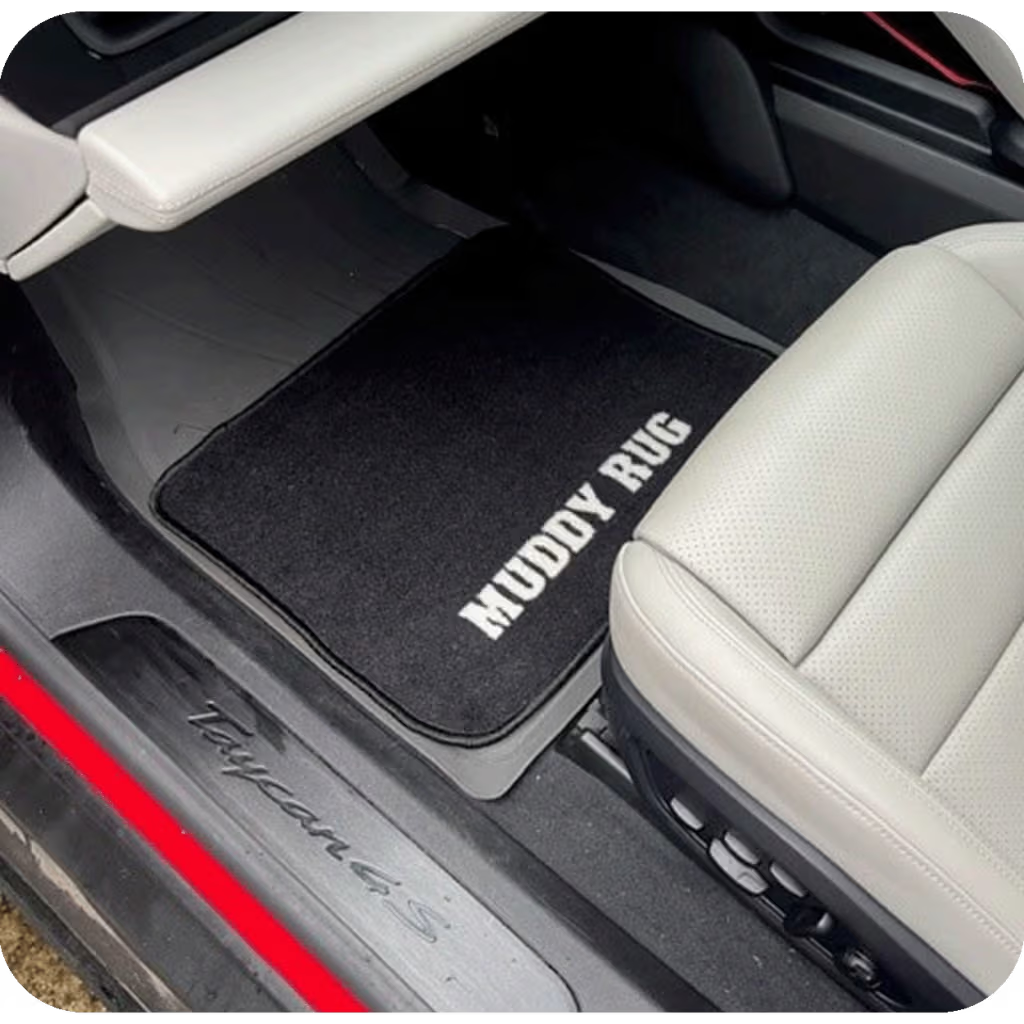
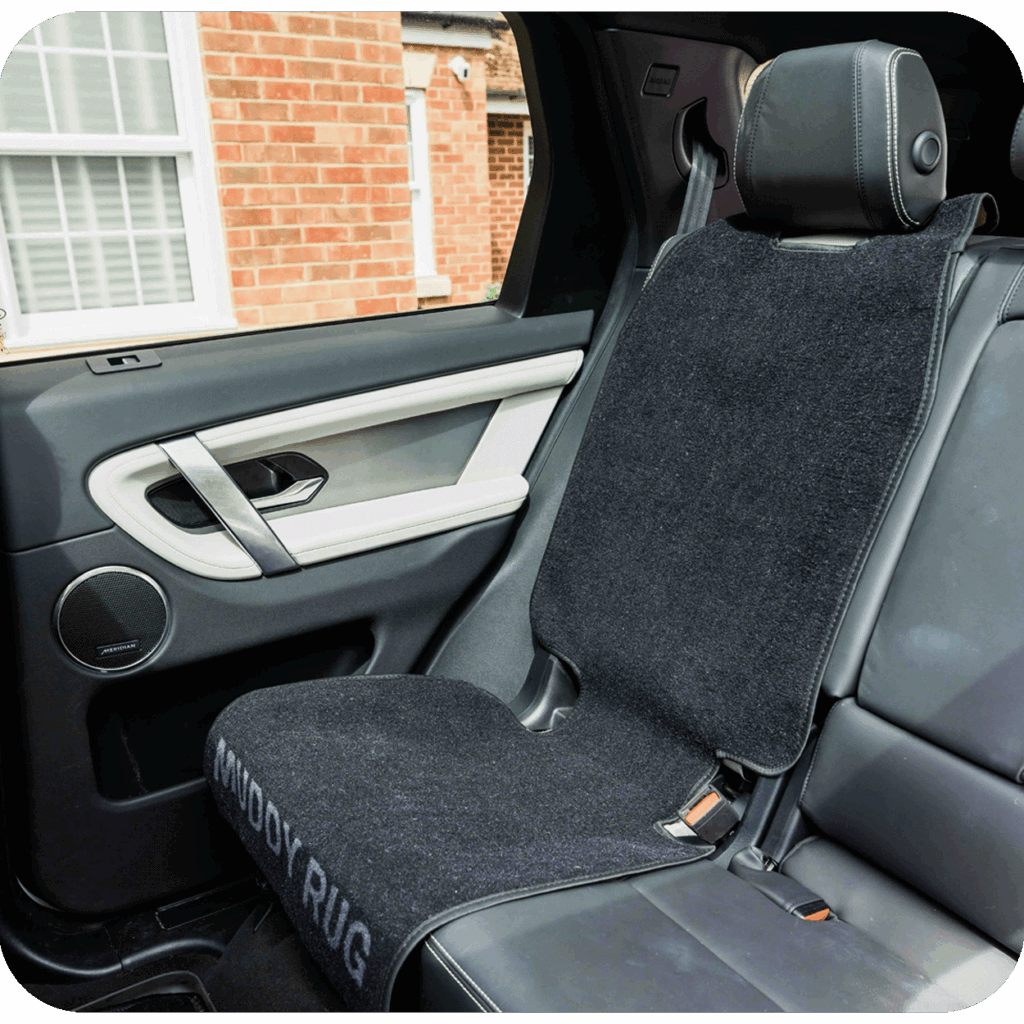
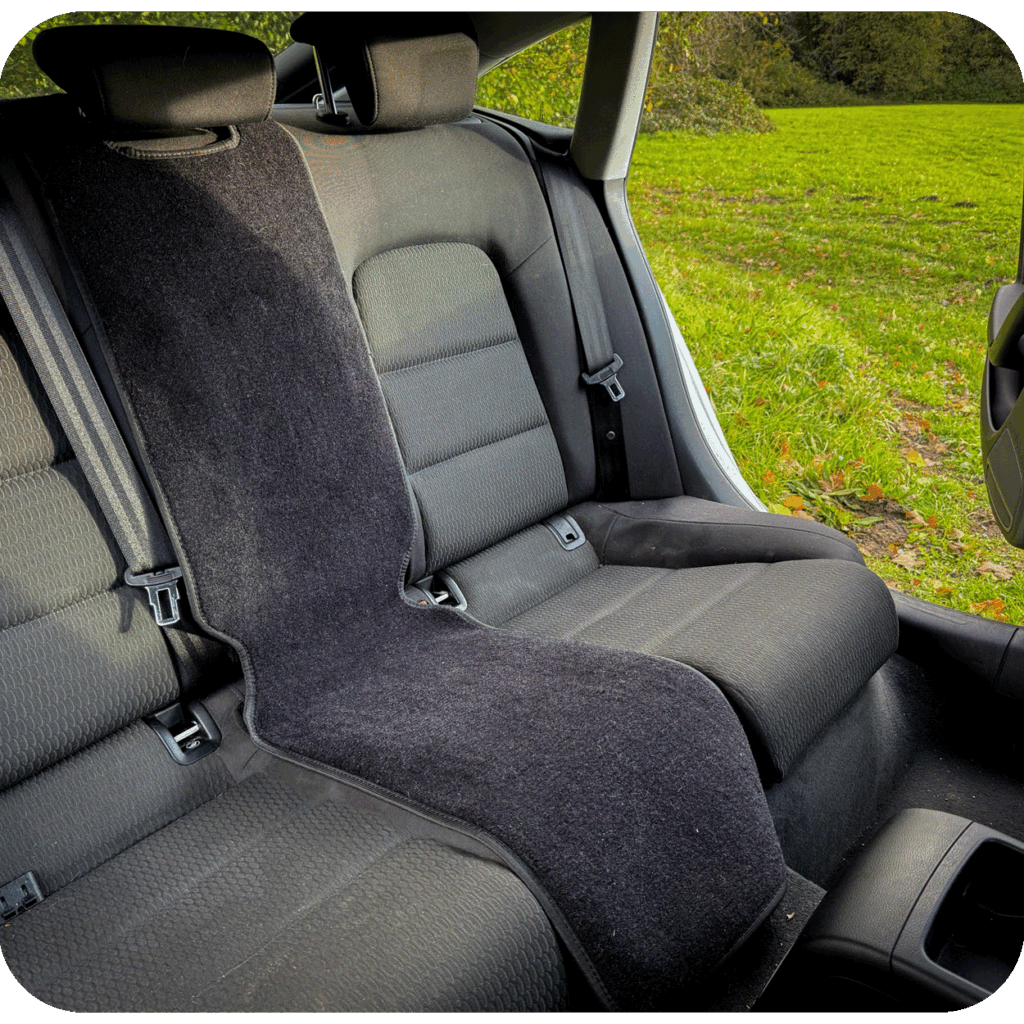
Using seat covers or car footwell protectors creates a simple barrier that keeps spills away from the upholstery altogether. This is especially useful if your car regularly deals with messy situations, whether that’s carrying DIY materials, sports gear, or even just from everyday family life.
Muddy Rug Seat Protectors for Silicone Spills and More
If your car sees regular exposure to messy situations, like rainy sports days with kids or moving materials for DIY projects, you might find keeping it clean to be stressful and time-consuming.
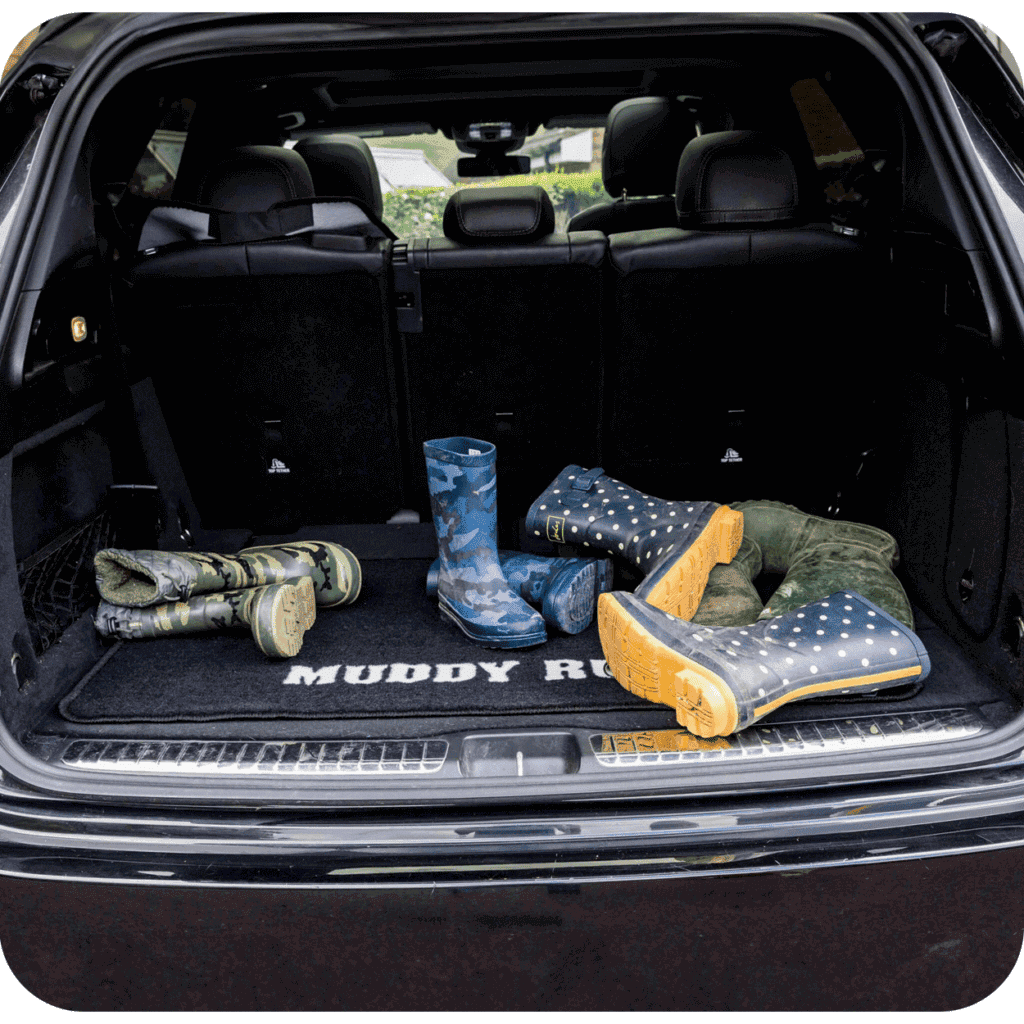
Muddy Rug offers car seat mats and car boot rugs designed to safeguard your car’s interior from all kinds of dirt and unwanted residues.
Choosing protective products tailored to your car’s interior material is a practical way to avoid the headache of stubborn stains altogether.
-

Car Boot Rug
£14.99 -
Car Seat Rug
£29.99 -
Footwell Rug
£4.99 -
Isofix Car Seat Rug
£29.99 -
Slim Seat Rug
£17.99