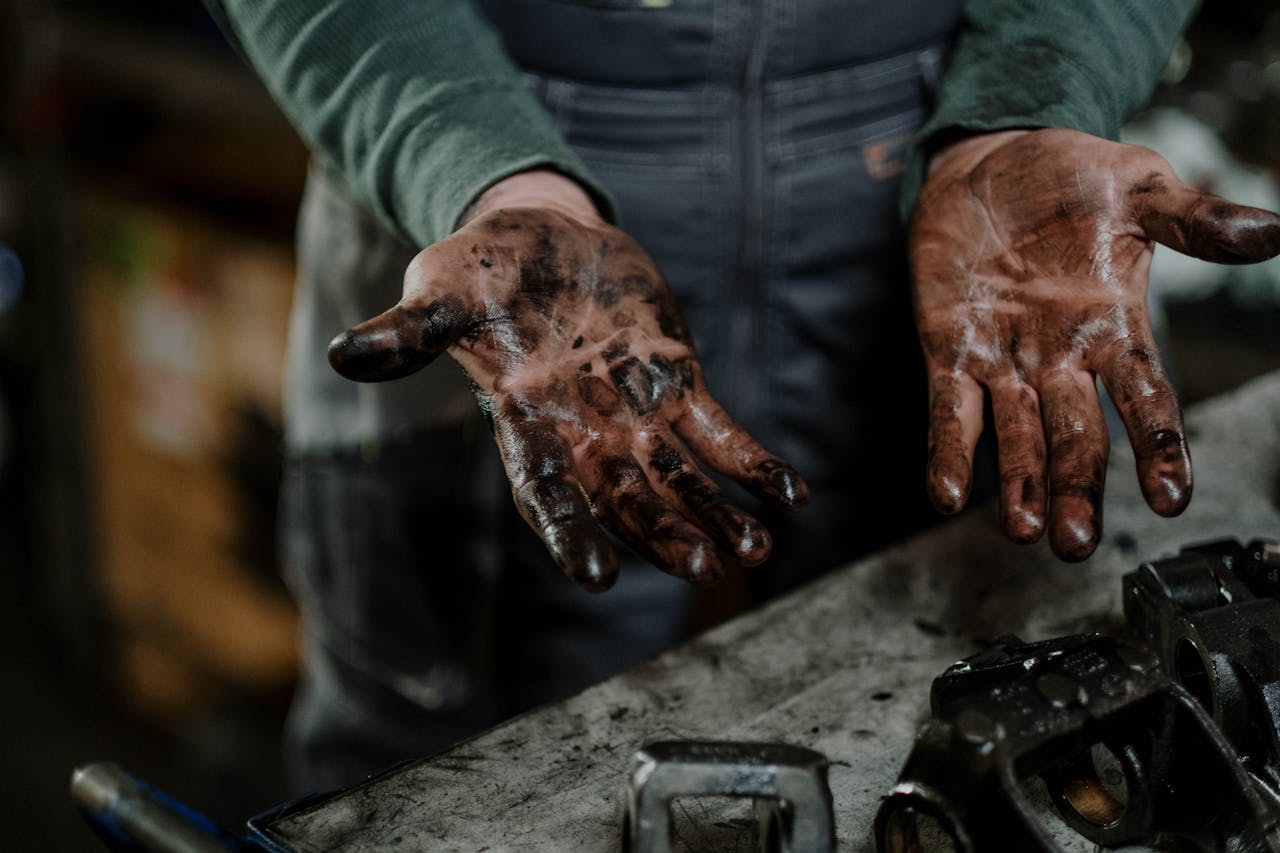
Oil stains on car seats can be a stubborn and frustrating problem, especially when you’ve been caught without using a car seat protector. Whether the stain is from motor oil, greasy hands, or cooking oil, knowing how to tackle these marks without damaging your upholstery is a valuable skill to have in your back pocket.
This guide will walk you through practical, tested methods to clean oil stains from both cloth and leather seats, along with tips on preventing future stains and maintaining your car’s interior.
Why Are Oil Stains Hard to Remove?
Oil stains happen when oily substances come into contact with the porous fibres of cloth or the surface of leather, where they cling stubbornly. Unlike water stains, oil does not dissolve easily with just water because it’s hydrophobic, meaning it repels water but mixes with other oils or solvents. This makes cleaning oil from car seats challenging, as it requires breaking down the oil without harming the seat material.
Cloth seats soak up oil deeply, creating dark, persistent marks. Leather seats, while less absorbent, require careful treatment to avoid drying out or discolouration from harsh solvents. Your goal is to remove the oil stain while protecting material integrity and appearance.
How to Remove Oil Stains from Cloth Car Seats
Removing oil from cloth seats involves absorbing the oil first and then cleaning with a mild degreaser. Also, please remember to always test all treatments in an inconspicuous area first to check colourfastness and fabric response.
If you are trying to remove oil stains from your cloth car seats then you should follow these steps for the best chance at success:
- Blot Excess Oil: Start by carefully blotting any excess oil, avoid rubbing as this spreads the stain.
- Apply Absorbent Powders: Sprinkle baking soda, cornstarch, or baby powder on the stain. Let it sit for 15-30 minutes to absorb the oil. This initial step lifts much of the grease without scrubbing.
- Vacuum the Powder: Remove the powder thoroughly with a vacuum cleaner.
- Use Gentle Soap Solutions: Mix a small amount of dish soap (like Fairy Liquid, known for grease-cutting) with warm water. Lightly dab the area with a soft cloth soaked in this solution, then gently blot to avoid spreading.
- Scrub Carefully if Needed: If the stain persists, use a soft-bristle brush or old toothbrush to gently work the solution in a circular motion.
- Rinse and Dry: Wipe with a damp cloth to remove soap residue, then blot dry with a clean towel. Avoid oversaturating the fabric, which can cause watermarks or damage.
- Repeat if Necessary: Some stubborn stains require repeating these steps to fully remove the oil.
How to Remove Oil Stains from Leather Car Seats
Although the steps to remove oil stains from leather seats are quite similar, the process requires more delicate care to avoid damaging your seats and making them look worse:
- Remove Excess Oil: Gently scrape off any thick residue using a plastic scraper or spoon.
- Absorb Oil with Baking Soda: Sprinkle baking soda over the stain and leave it for at least 15 minutes to absorb oil.
- Vacuum Off Baking Soda: Carefully vacuum or brush off the powder.
- Prepare Mild Degreaser Solution: Mix a few drops of mild dish soap with warm distilled water. Avoid using harsh solvents which can strip leather’s natural oils causing cracking or discolouration.
- Clean with Soft Cloth: Dip a microfiber cloth into the solution, wring it out well, and gently wipe the stain. Avoid heavy soaking and excessive scrubbing.
- Rinse with Damp Cloth: Remove soap residue with a clean, damp cloth.
- Condition the Leather: Once dry, apply a quality leather conditioner to replenish oils and maintain softness.
- For Stubborn Stains: A paste made from baking soda, water, a pinch of sea salt, and flour can act as a gentle abrasive cleaner. Apply carefully, then wipe clean.
What Products Work Best for Oil Stain Removal?
Many household items work well on oil stains, providing practical, affordable cleaning solutions without the need to seek help from a professional.
Homemade options usually combine baking soda and mild dish soap like Fairy Liquid for safe cleaning without any harsh chemicals and smells.
You may also see success by using white vinegar, or if your stain is particularly stubborn then you may have to look at purchasing some form of commercial upholstery cleaners suitable for your fabric.
How Long Does it Take to Remove Oil Stains from Cars?
The cleaning process to remove oil stains from your car seats can take anywhere from a few minutes to several hours, depending on how much oil is present and how deeply it has soaked into the fabric.
If you start with an absorbing powder such as baking soda, it typically needs around 15 to 30 minutes to draw the oil out of the material effectively. This stage helps lift much of the surface oil before you move on to deeper cleaning.
After that, gentle soap cleaning combined with careful blotting may need to be repeated a few times, particularly if the stain is older or has already settled into the fibres. By working slowly and repeating the process multiple times, you will see better results than trying to remove everything in a single attempt.
Drying time can also vary depending on airflow and the amount of moisture used during cleaning. Leaving car doors open after treatment can help the fabric dry faster and prevent any lingering dampness.
In many cases, the best results come with a little patience. Treating the stain more than once and allowing enough time for each step to work properly can make the difference between a faint mark and complete oil removal.
How Can You Prevent Oil Stains on Your Car Seats?
Prevention is much easier than deep cleaning.
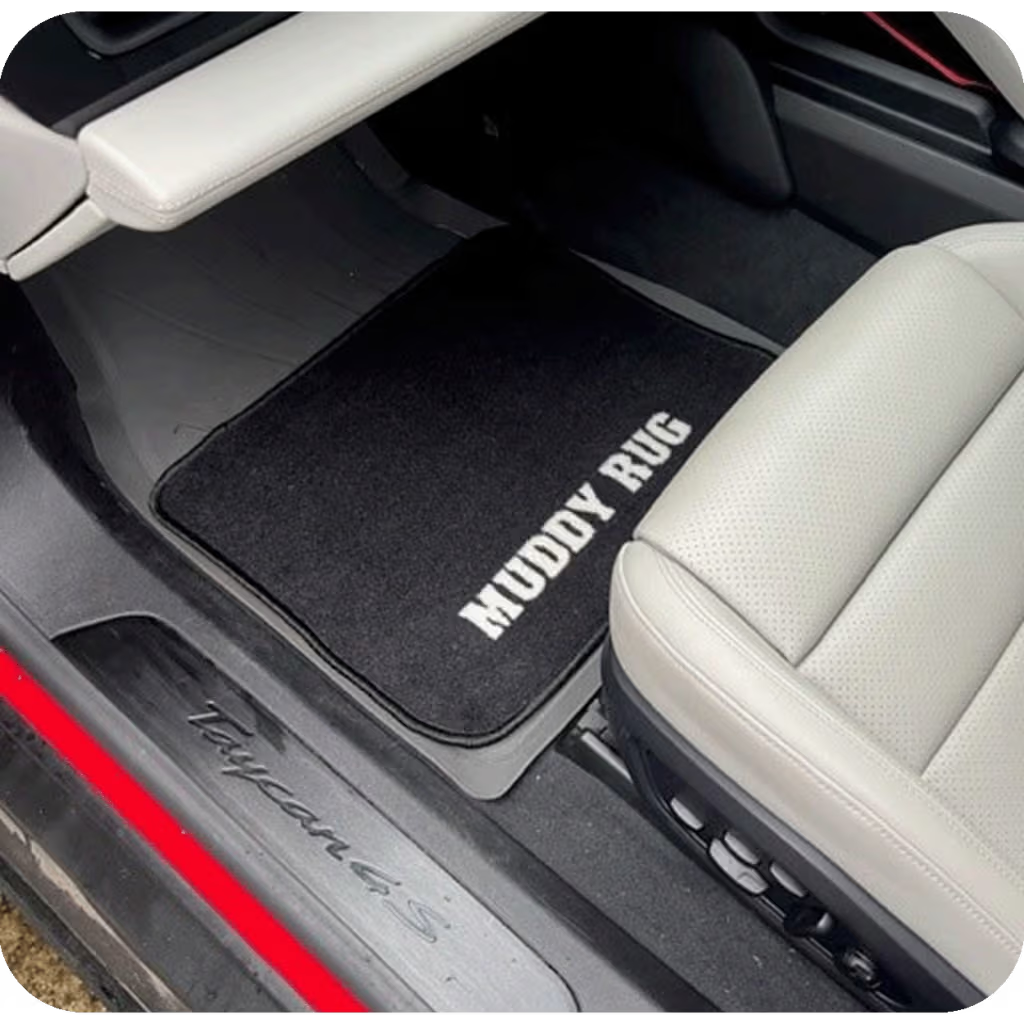
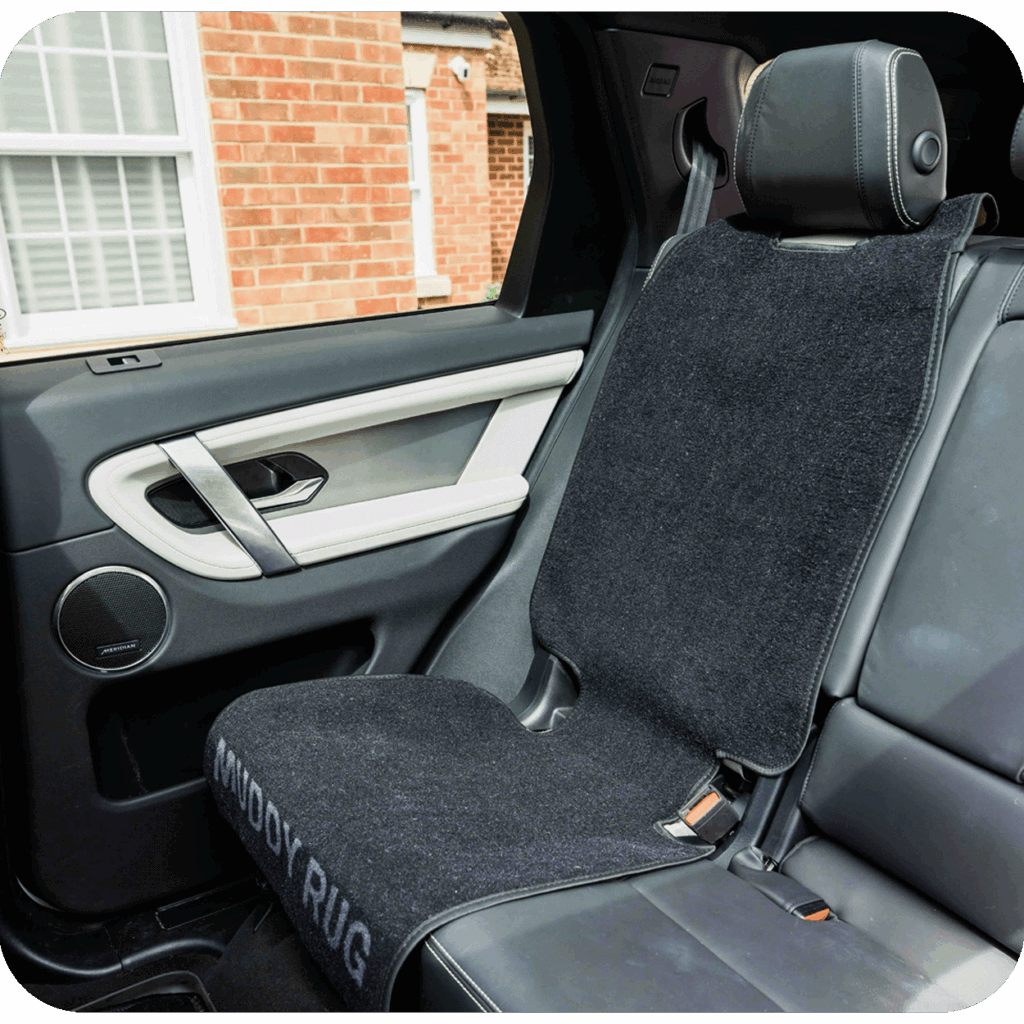
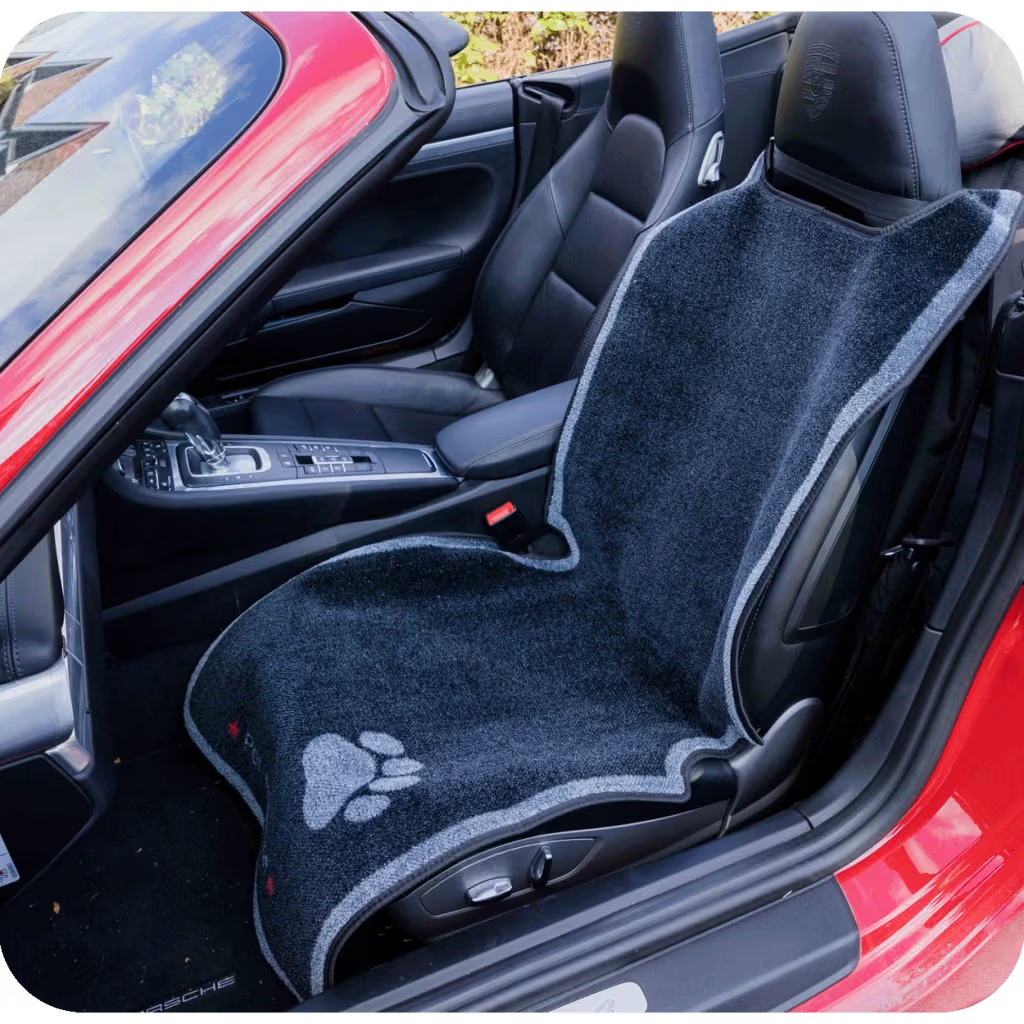
If you want to keep your car’s interior safe and in good condition, you should always use some form of protection whether it be through an isofix car seat protector or a car footwell protector.
In this case, if you were to have a spill and damage your car’s interior then it does not leave a stain on any permanent fixtures or fittings and instead you can remove the protective product to clean it much easier outside of the car.
You should also always follow best practices like making sure your hands and clothes are clean before entering your car, as well as trying to clean stains as soon as possible before they have the chance to set.
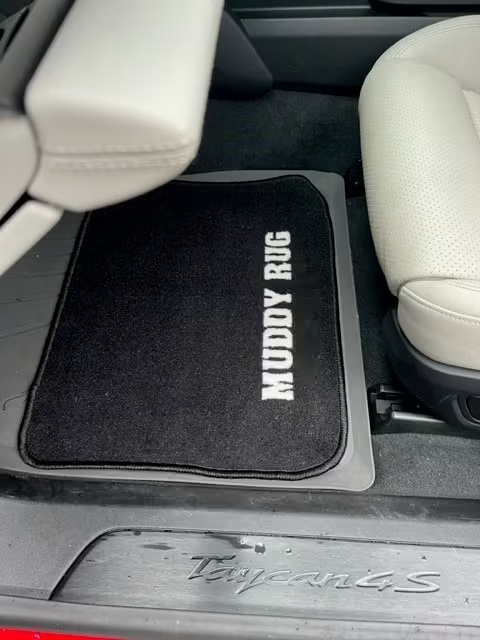
Muddy Rug’s Seat Protection from Oil
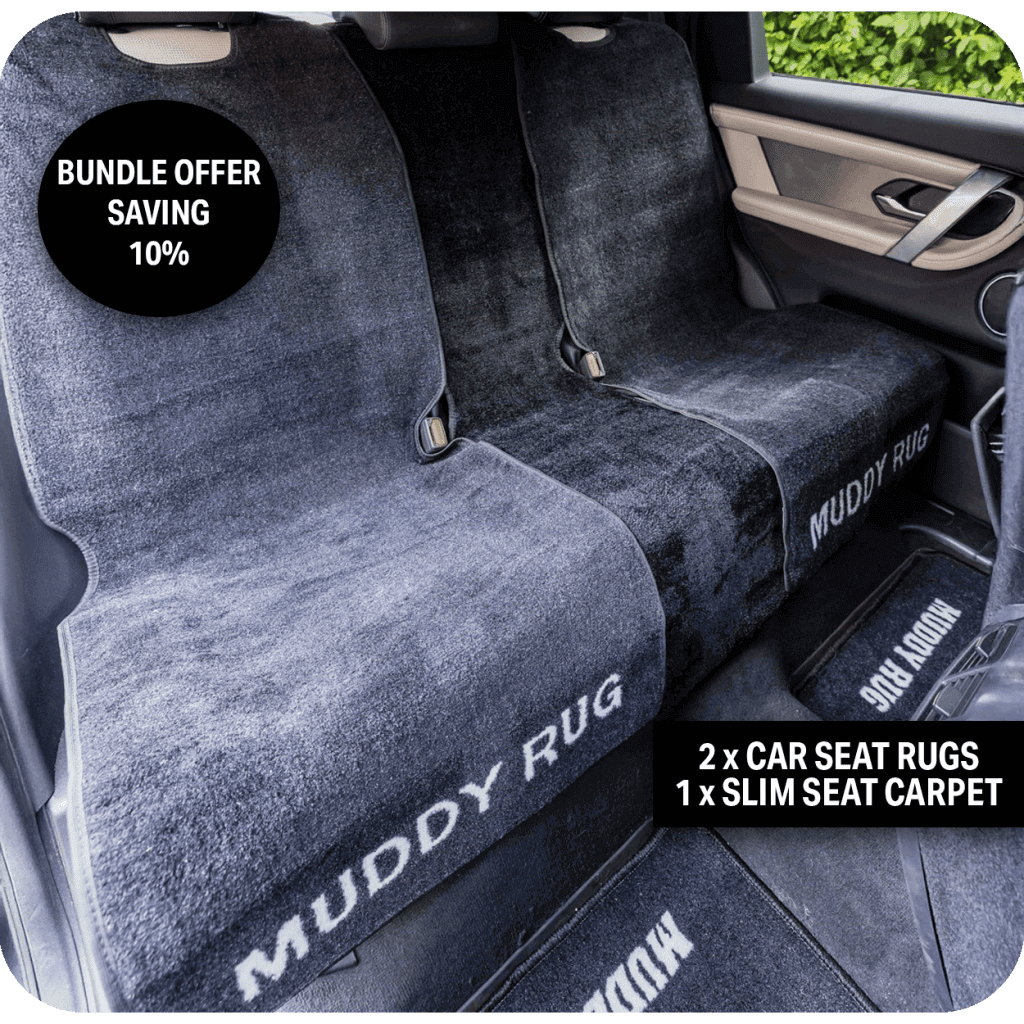
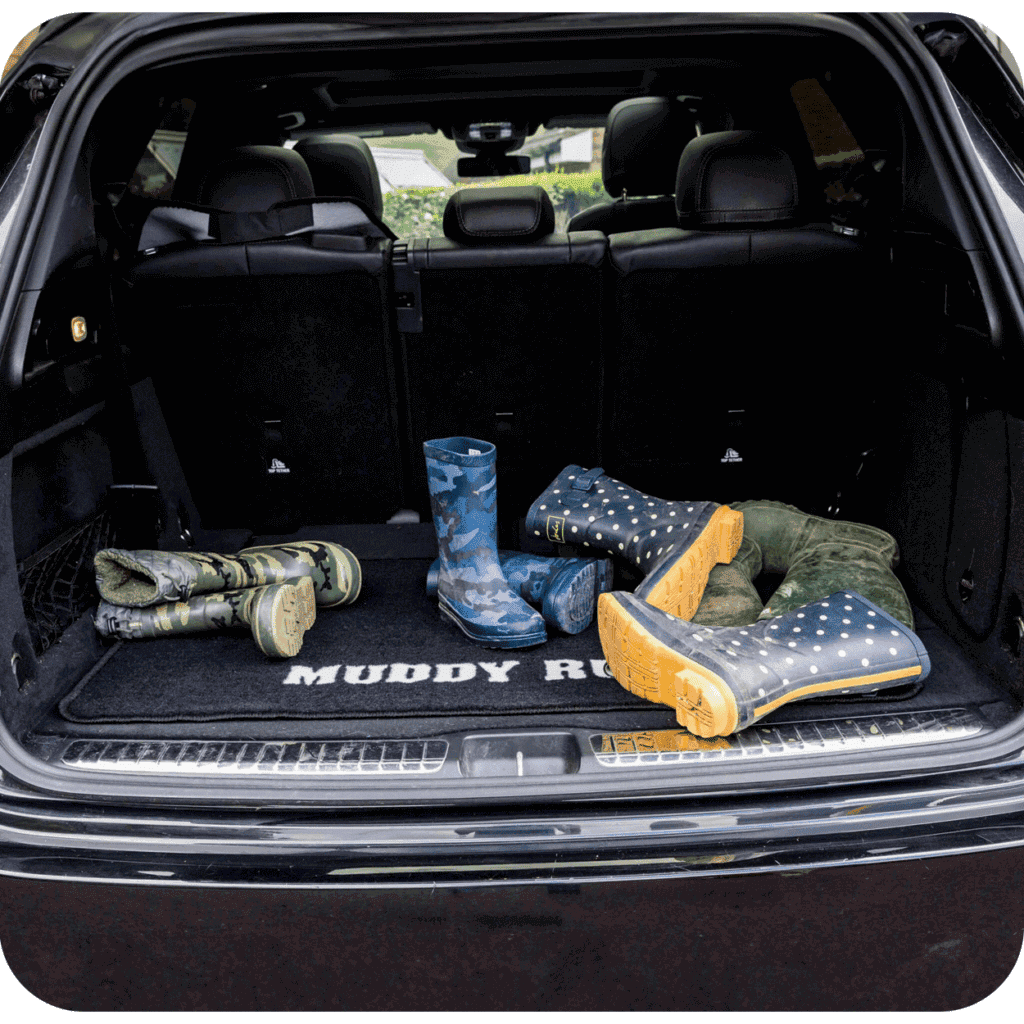
For families on the go, Muddy Rug offers UK-designed car seat mats and car boot rugs specifically to guard against mud, grease, and oil stains from sports days or outdoor activities.
These products help keep your car clean and smelling fresh, reducing the need for intense and time-consuming cleaning sessions.
For tradespeople heading home after a job, keeping a seat cover or mat in the van is a simple habit that pays off. A quick swap before you get in means oil, grease, and grime stay off the upholstery entirely, far easier than cleaning it later
Oil stains on car seats may seem daunting, but with the right approach and tools, you can restore your car’s interior effectively. Couple cleaning with protective measures like Muddy Rug mats to maintain your car’s comfort and appearance without stress. Your effort will reward you with a fresh, clean car ride every time.
-
Back Seat Rug Set
Original price was: £77.97.£70.17Current price is: £70.17. -

Car Boot Rug
£14.99 -
Footwell Rug
£4.99 -
Isofix Car Seat Rug
£29.99 -
Sports Seat Rug – Fixed Headrest
£29.99