A lovely day at the beach unfortunately often means dealing with the stubborn mess of sand, salt, and damp gear that can have a serious affect on your car. Whether it’s sand seeping into every crevice, saltwater damaging paintwork, or the challenge of handling wet, sandy equipment, maintaining a clean and protected vehicle can sometimes feel overwhelming and may even keep you from going to the beach in the first place.
This guide will give you advice on tackling these issues so you can feel confident when going to the beach knowing your car will stay clean and fresh.
How the Beach Damages Your Car
By taking your car to the beach, you are exposing your vehicle to a harsh combination of elements that don’t just make your car dirty but can lead to lasting damage if not addressed promptly.
Sand infiltrates upholstery, mats, and even mechanical parts, acting like an abrasive that wears down surfaces. Salt from seawater accelerates corrosion on metal and paint, especially if left on the vehicle’s undercarriage or bodywork. Moisture from wet gear and salty air encourages rust and generates unpleasant odours inside the cabin.
These factors highlight why timely and thorough cleaning after beach trips is essential to protect your car’s longevity.
How to Keep Your Can Free From Sand
Sand is perhaps the most frustrating beach contaminant because it clings to skin and clothes, quickly spreading into your car. To minimise this:
- Rinse off feet and beach equipment with fresh water before entering the vehicle. Carrying a jug or portable sprayer can be a game-changer for quick rinses.
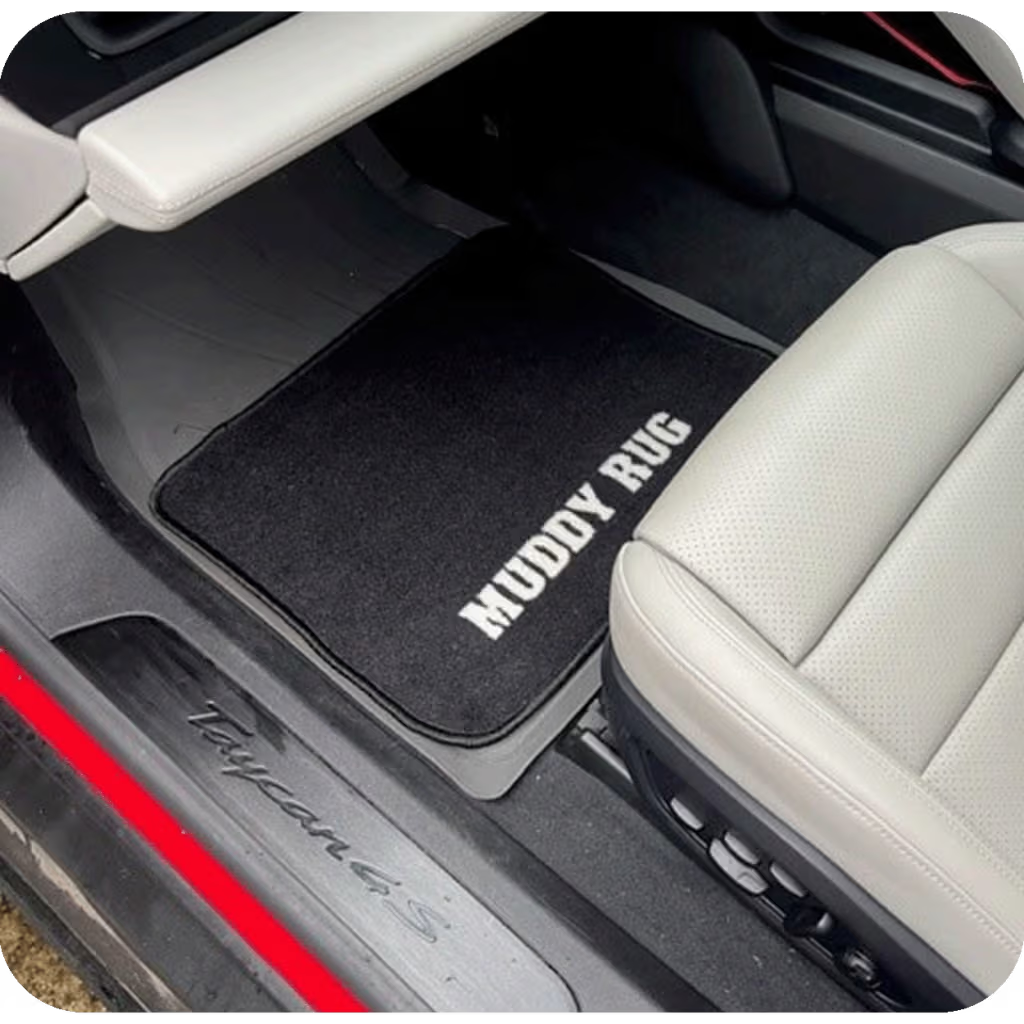
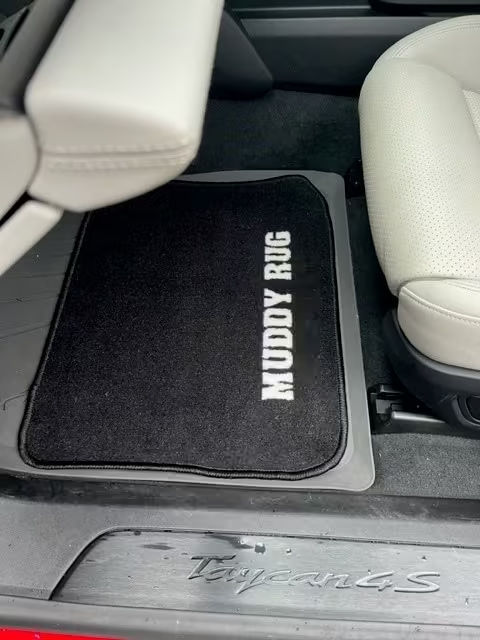
- Use rubber mats and footwell protectors with raised edges to trap sand. These mats are easy to remove and clean, preventing grit from embedding into carpets.
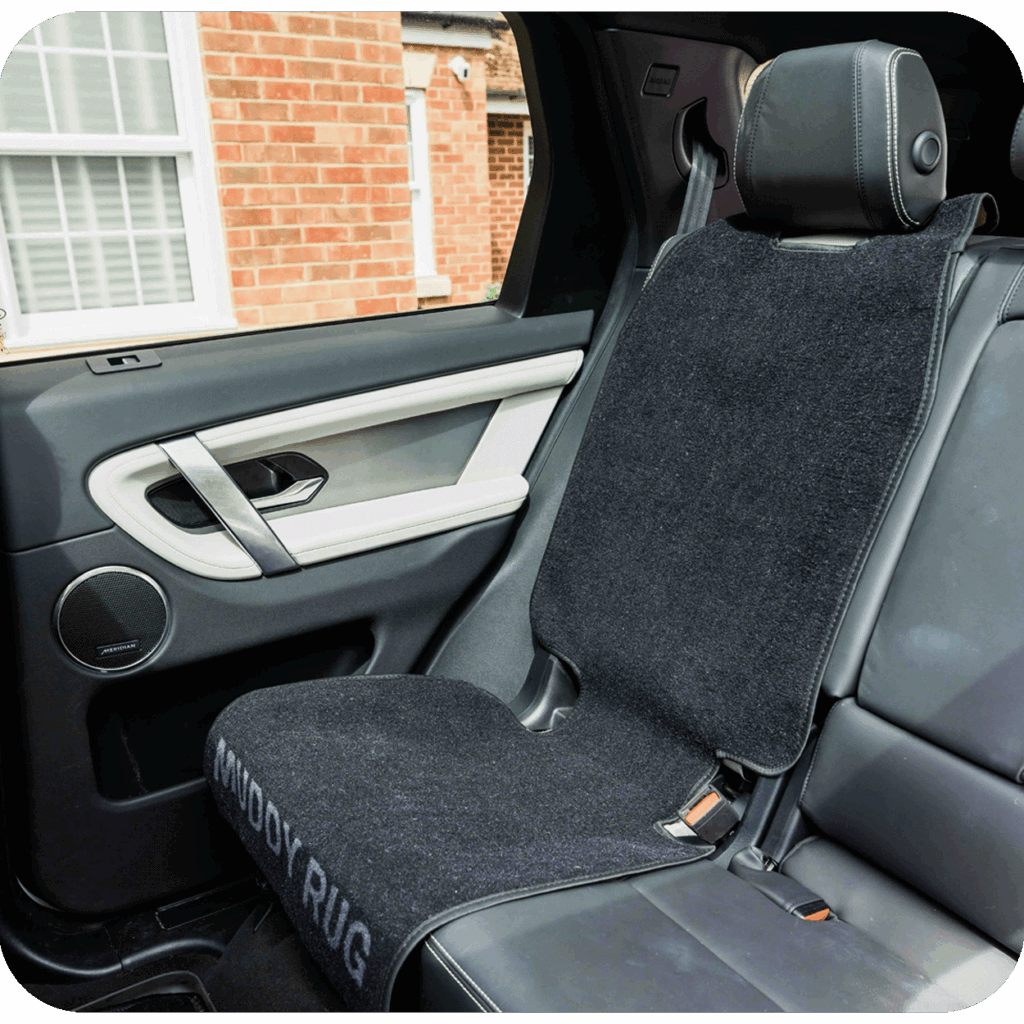
- Invest in waterproof and breathable seat covers designed for outdoor use. Unlike plastic covers, they allow air circulation while protecting upholstery from sand and moisture.
- Consider dedicating “clean” flip-flops or shoes for driving to avoid tracking sand throughout the car.
- Create sand-free zones outside the vehicle to change clothes and shake off sand before getting in. Multipurpose outdoor blankets can help.
What is the Best Way to Protect Paintwork from Salty Air?
You may think that your car is safe from saltwater at the beach as long as it stays out of the water. However, this isn’t always the case.
The air can carry salt water sprays deceptively far, and any time moisture and salt can stick to your car you are at risk of corrosion and dulling of your car’s finish.
After a beach trip, you should rinse your car thoroughly with fresh water as soon as possible, ideally the same day, and with a pressure washer if possible. Pay special attention to door jambs, wheel arches and the undercarriage where salt tends to accumulate.
For best results, after rinsing you should wash your car and apply a protective coating. By rinsing first, you avoid scrubbing the salt and sand on the paint when washing and waxing. Sealants tend to last longer and provide a harder shell, while natural waxes offer a deep shine but require more frequent application.
Another tip is to park with your car facing away from the sea to reduce salt spray exposure to the rest of your car.
How to Clean Sand from the Car’s Interior
If you want your car to look its best for as long as possible, then it’s crucial that you take care to remove sand from any seats, mats, or other crevices inside your car as soon as you can otherwise you will notice wear on your interior surfaces.
Follow these steps for the best results:
- Remove and shake out all floor mats outdoors. Rubber mats can be hosed down; carpet mats may require brushing with stiff bristles.
- Vacuum seats, floor, and hard-to-reach spots carefully using a vacuum with a narrow attachment. Take your time to avoid sand scattering. Compressed air can be useful to blow sand out of tiny crevices.
- Use a stiff upholstery brush to loosen sand embedded in fabric seats before vacuuming.
- Wipe vinyl or leather surfaces with a damp microfiber cloth or appropriate interior cleaner to remove sand grains.
Doing this as soon as possible after your trip stops sand from settling further and damaging upholstery.
Accessories to Help Keep Your Car Clean After Beach Trips
Investing in the right accessories designed for beach life can save you time and protect your vehicle.
This includes products such as:
- Thermal shades to protect interiors from heat and UV damage,
- Outdoor blankets for changing on before entering the car
- Dry bags for storing wet clothes
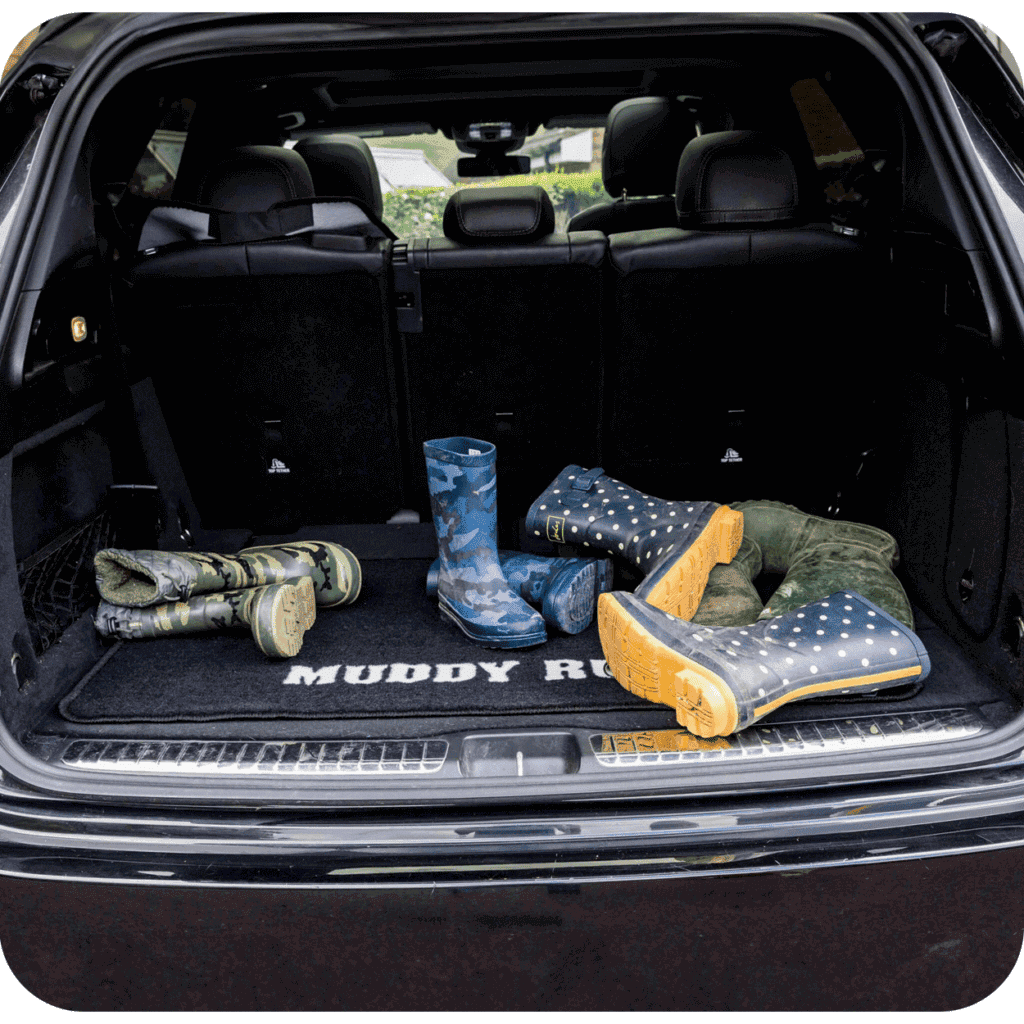
At Muddy Rug, we offer products designed for busy families to keep their car and home clean after all of life’s adventures. Things like car seat mats, car footwell protectors, and kids waterproof changing robes covers are made to keep your car free from sandy footprints and salty residues, simplifying the clean-up process as a result.
Protect Your Car from the Beach with Muddy Rug
Sand, salt, and wet gear can make beach trips stressful for your vehicle’s interior and exterior. By investing in Muddy Rug accessories, you get a practical solution to safeguard your car against the harsh effects of sand and salt, saving time on cleaning and helping your vehicle look and smell fresh all year round.
Your car deserves this level of protection so that your focus can remain on enjoying your time outdoors.
-

Footwell Rug
£4.99 -
Car Seat Rug
£29.99 -
Isofix Car Seat Rug
£29.99 -
Warm Robe – Waterproof Changing Robe
Price range: £33.99 through £36.99 -
Car Boot Rug
£14.99