Finding that you’ve spilt water in your car carpet is never ideal. Whether it’s caused by heavy rain, a leaking door seal, wet football boots, or a spilt drink, trapped moisture can quickly lead to musty smells, mould, and damage to your car’s interior.
The good news is that acting fast can stop the problem getting worse, and it’s much easier to clean than other potential spills.
In this guide, you’ll learn how to get water out of car carpet properly, how to dry it quickly, and how to stop damp smells from coming back.
What Causes Water to Soak into Car Carpets?
Water can soak into your car carpet for several reasons. Some are obvious, while others are harder to spot.
Common causes include:
- Leaking door or window seals
- Wet shoes, pets, or sports gear
- Spilled drinks
- Heavy rain
- Air conditioning drain issues
After your car’s interior has been subjected to water, the carpet may quickly feel dry while the foam padding underneath is still soaked. That hidden moisture is what often causes mould and lingering odours later on.
Before drying the carpet, it’s worth checking where the water came from so the issue doesn’t keep returning.
How Do I Remove Water From Car Carpets?
To remove water from your car’s carpet, you first need to soak up as much water as possible before you start drying the interior.
Use a thick microfibre towel to absorb any standing water and pull moisture out of the fibres and padding underneath by pressing it into the carpet rather than rubbing.
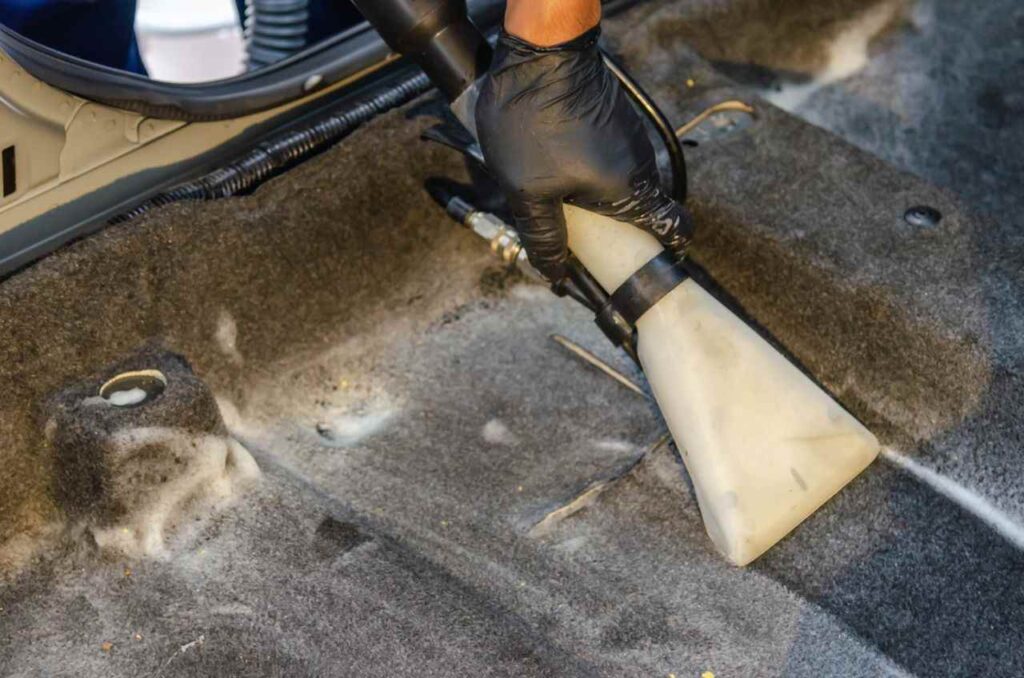
When you have removed any excess water and are left with wet carpets and fabrics, then it’s time to use a wet and dry vacuum. This is the quickest and most effective option for deep extraction of water in your carpets as it pulls water from below the surface where towels can’t reach.
If you do not have a vacuum available, you can use absorbent materials overnight instead like baking soda or moisture absorber crystals. These won’t completely dry the carpet, but they can help reduce dampness while you improve airflow.
What Is the Quickest Way to Dry Car Carpets?
Airflow and warmth are the two biggest factors when drying car carpet quickly.
Start by opening all doors and windows to let fresh air circulate through the interior, ideally with the radiators and air conditioning on.
If possible, park the car outside in direct sunlight as the heat will speed up evaporation and allow the fresh air to carry the evaporated water out of your vehicle.
If your vehicle is heavily soaked, you can speed this process along by using fans to blow air directly across the wet areas. Your car’s blowers will work, but additional fans will be even more effective.
While these are the quickest methods of drying your car’s interior, you could also park your car in a garage overnight and use a dehumidifier to help remove any moisture slowly over a longer period.
How Long Does Car Carpet Take to Dry?
Wet car carpets can dry very quickly or take days, it just depends on how much water needs to be removed from them. As a rough guide:
- Minor spills can dry within a few hours
- Damp carpets often take 24 hours
- Fully soaked carpet and underlay may take several days of drying
Using fans, sunlight, and a dehumidifier together can reduce drying time significantly. If the carpet still feels damp after two or three days, moisture is probably trapped underneath and you will be better off by taking your carpet up and drying the underneath directly.
Can You Dry Car Carpet Without Removing It?
Yes, in many cases you can dry car carpet without taking the entire interior apart.
For smaller leaks or spills, you likely won’t need to lift up your carpet to dry it. Using fans and a dehumidifier at the same time will usually be enough.
However, if the carpet padding is heavily soaked, drying without removal becomes much harder. Foam underlay holds a surprising amount of water and can stay damp for days.
So if after attempting to dry your interior you are still experiencing musty smells, condensation, or mould spots, then you will have to lift up your carpet to thoroughly dry the padding underneath.
How Do You Stop Mould and Damp Smells in Car Carpets?
Drying the carpet is only part of the job. You also need to remove bacteria and mildew before they settle into the fabric.
Once the carpet is mostly dry, clean the affected area using either a quality car interior cleaner, an enzyme-based odour remover, or simply white vinegar diluted with water to not just clean your carpets but treat them for bacteria and mildew.
After cleaning, sprinkle baking soda over the carpet and leave it for several hours before vacuuming it away. This will help absorb lingering smells naturally.
What Tools Help Dry Car Carpets Best?
You can dry car carpets with a few basic items like microfibre towels, baking soda, and a combination of heat and airflow which can be provided by your car’s blowers or by the sun.
But if you want to complete the job to the best standard, then you are going to want to use a wet and dry vacuum and possibly a dehumidifier. These will allow you to clean and dry your car’s interior quickly and efficiently even deep down under the carpet’s surface.
How to Protect Car Carpets from Water Damage
Investing in high-quality, durable car mats is the best way to protect your car’s interior from water spills or damage.
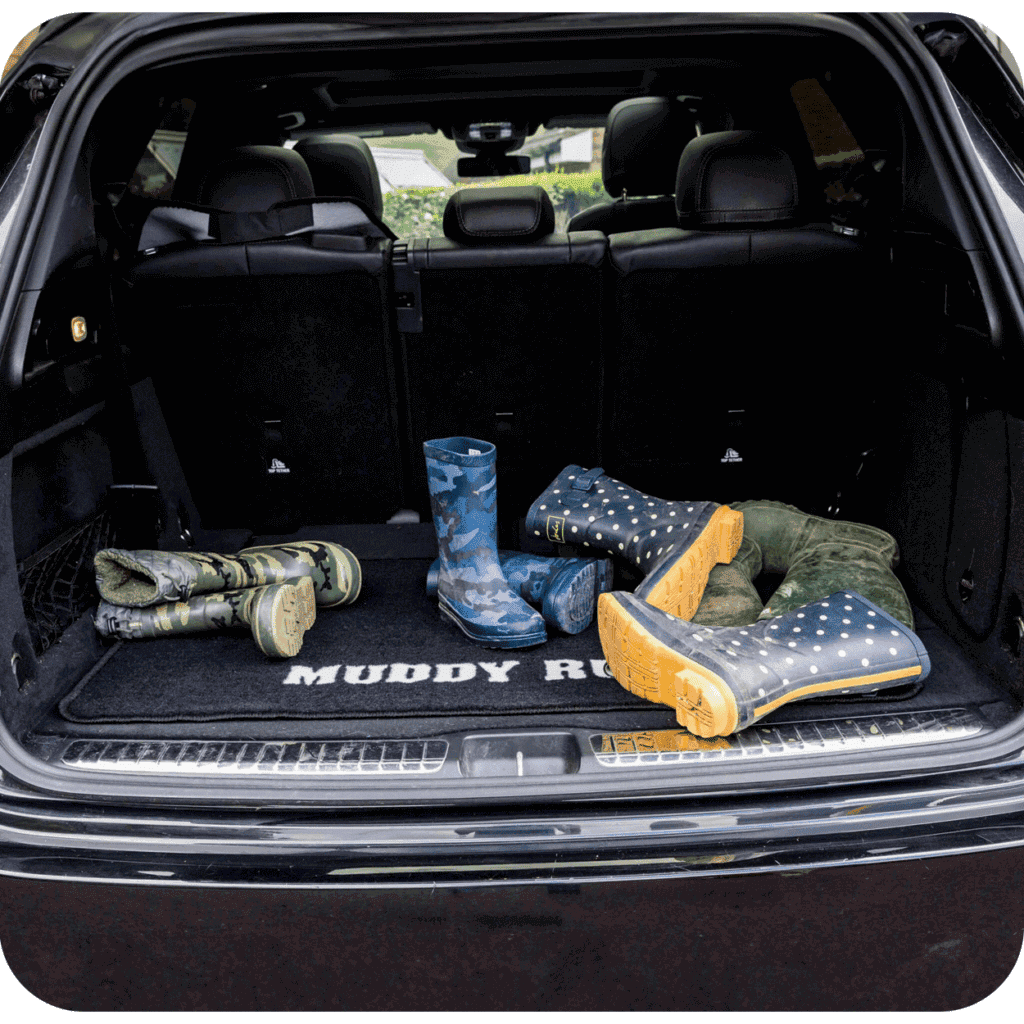
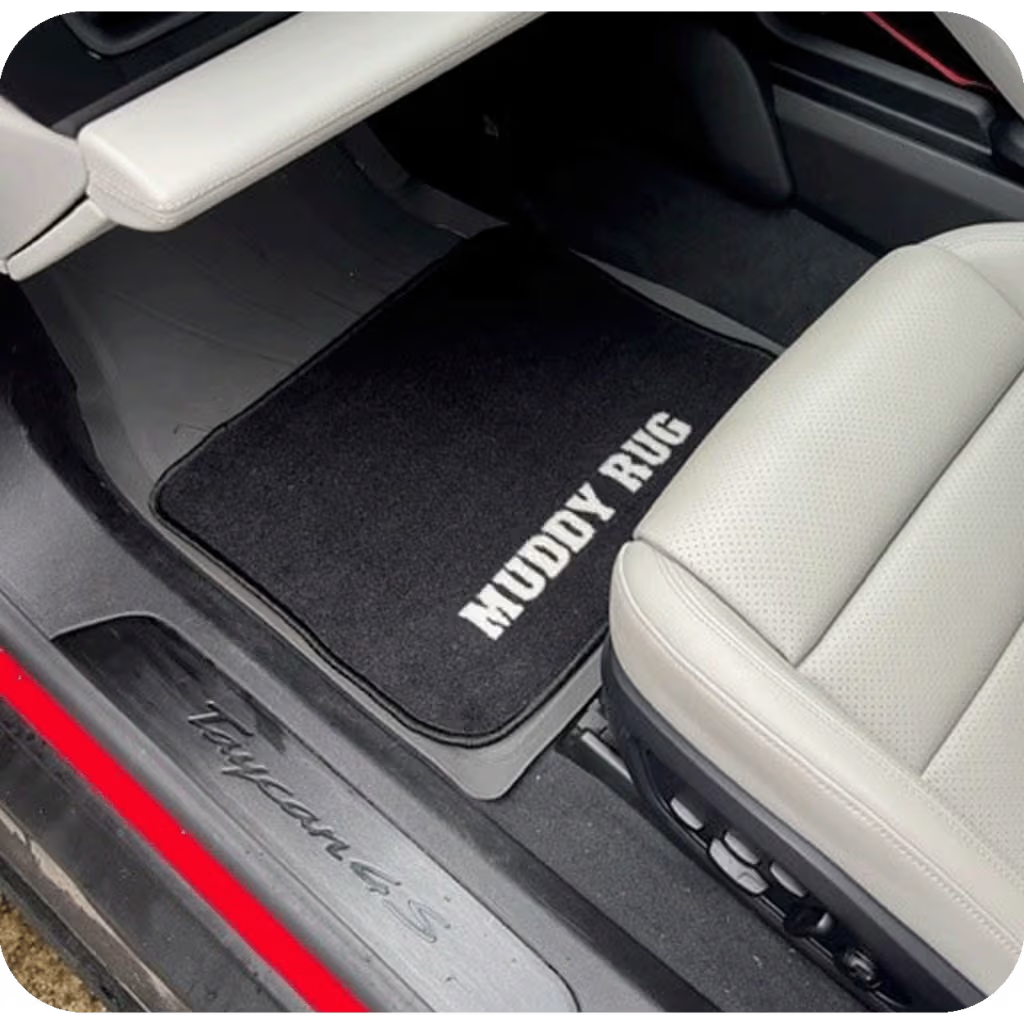
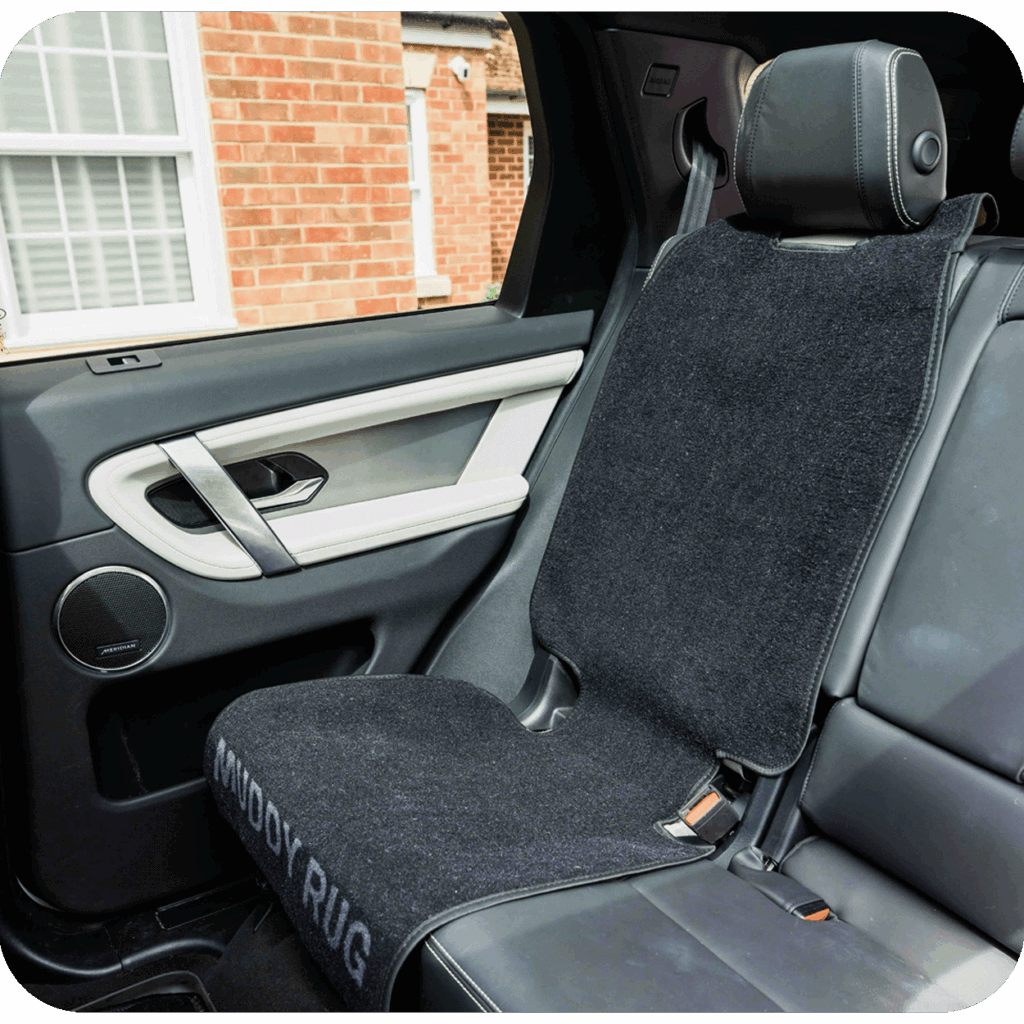
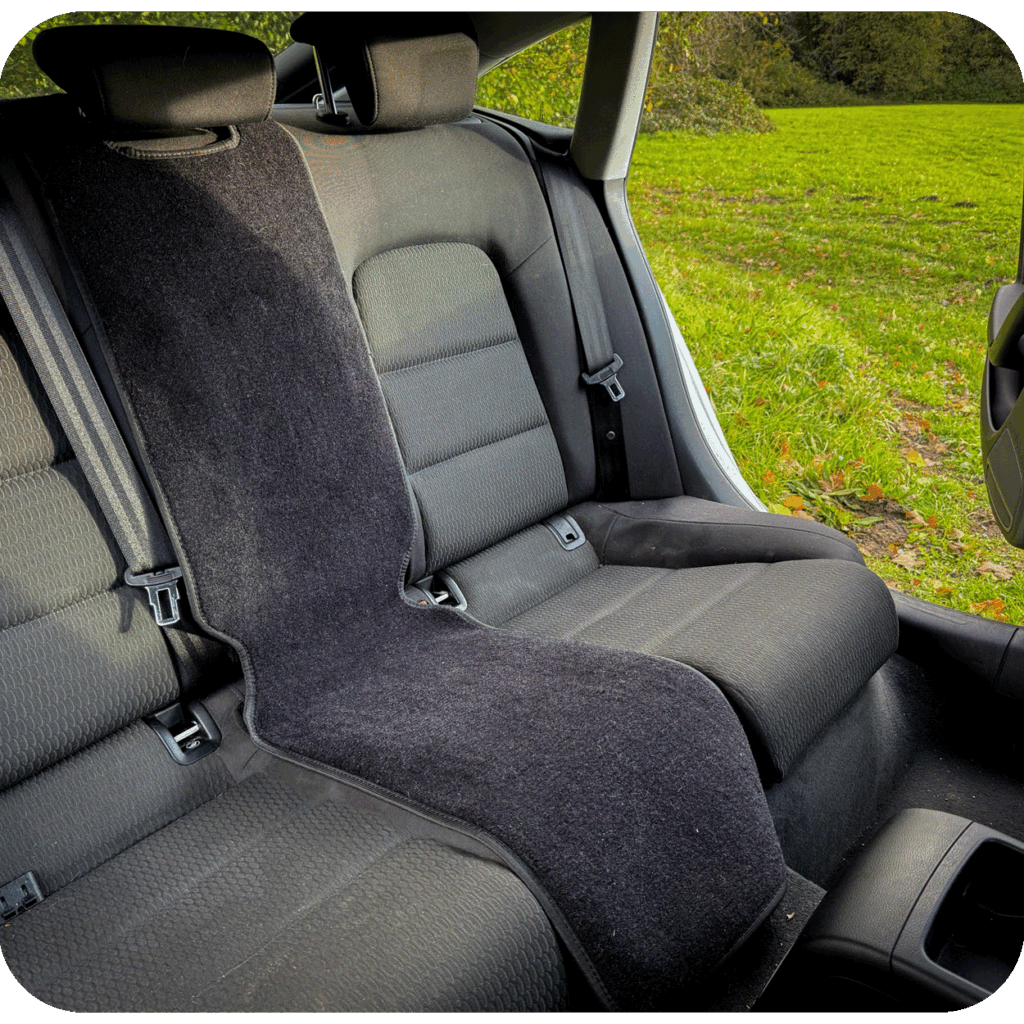
At Muddy Rug, we provide car seat mats and car footwell protectors that protect your car’s interior from dirt, mud, and water.
They are especially useful if your car regularly deals with:
- Wet school runs
- Muddy football kits
- Dogs and outdoor gear
- Rainy weather
- Family road trips
You should also regularly check your door and window seals to catch potential leaks early before they cause damage.
Keep Your Car’s Interior Clean and Dry
Knowing how to get water out of car carpet quickly can save you from expensive interior repairs, mould growth, and unpleasant smells. The sooner you remove moisture and improve airflow, the easier it is to stop any lasting damage.
Using protective mats and car boot rugs also helps keep your interior cleaner and drier all year round, especially for busy family cars that deal with muddy shoes, sports kits, and wet weather on a regular basis.
-

Car Boot Rug
£14.99 -
Car Seat Rug
£29.99 -
Footwell Rug
£4.99 -
Isofix Car Seat Rug
£29.99 -
Slim Seat Rug
£17.99