How to Clean Dirty Football Boots (Easy Guide)
Football boots take a beating every time you hit the pitch, getting caked in mud, sweaty and sometimes smelly. Cleaning your boots well is more than a cosmetic task: it enhances performance, extends the lifespan of your boots, and keeps foot hygiene in check. Whether your boots are leather, synthetic, or knit, this guide shares effective, safe techniques tailored to different materials, as well as smart stain removal tips to help you keep your boots looking fresh and smelling great.
Why Regular Cleaning of Your Football Boots Is Essential
Cleaning your boots regularly helps maintain traction and control on the field by removing dirt and mud that can interfere with studs and grip. Dirt buildup also breaks down materials and stitching, reducing durability and leading to early wear and tear. Additionally, sweat and dampness trapped inside your boots create bacteria that cause unpleasant odours and potential foot health issues. Timely cleaning prevents these problems, allowing your boots to perform better and last longer.
How to Clean Your Football Boots (Step-by-Step)
Manual Cleaning Method (Best for Leather, Knit, or Delicate Boots)
- Remove Laces and Insoles
Take out laces and insoles to clean separately and improve airflow. - Knock Off Loose Dirt
Tap boots together or brush off mud using a soft boot brush. - Prepare Mild Cleaning Solution
Mix warm water with a few drops of baby shampoo or mild detergent. - Gently Scrub Uppers and Soles
Use a soft brush or sponge to scrub dirt from uppers and soleplate. Avoid soaking. - Spot Treat Stains
Use a toothbrush with diluted vinegar or a dissolved laundry tablet for tough marks. - Wipe Clean with Damp Cloth
Remove any soap residue carefully, without drenching the boot. - Wash Laces and Insoles Separately
Soak in soapy water, rinse, and leave to air dry. - Air-Dry Boots Naturally
Stuff with newspaper and dry in a ventilated indoor space, away from heat or sun. - Condition Leather (If Applicable)
Once dry, apply a small amount of leather conditioner to prevent cracks. - Deodorise & Store Properly
Use odour-neutralising sachets inside the boots and store them in a breathable bag or rack.
Machine Washing with Buffer Bag
- Check Manufacturers Washing Instructions
Confirm that your boots are suitable. - Remove Laces and Insoles
Take out both and include them in the Buffer Bag with the boots. - Knock Off Excess Mud
Shake or brush off thick mud before putting boots in the bag. - Place Boots in Buffer Bag
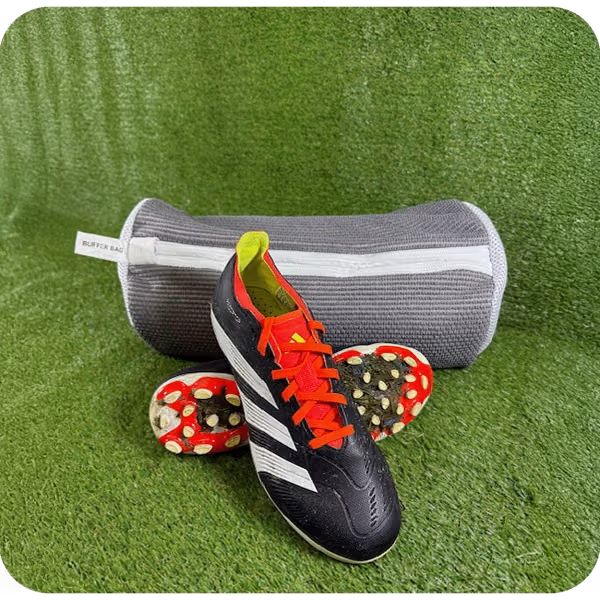
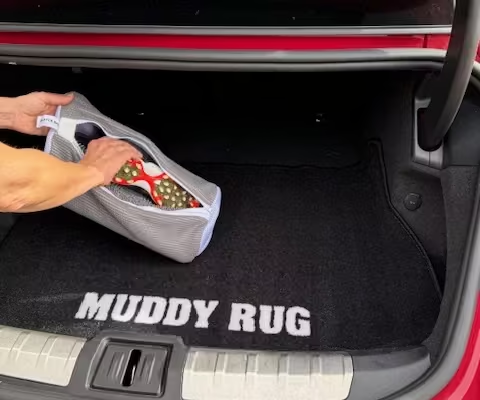
Put boots and laces inside the Buffer Bag’s dual compartments. Zip it securely. - Add to Washing Machine
Place the Buffer Bag in the machine with towels to cushion and balance the load. - Use Cold or Gentle Cycle
Select a delicate wash cycle (max 30°C) and use mild detergent. - Skip the Spin or Heat Dry
Avoid spin cycles or tumble drying to prevent material stress. - Air-Dry Naturally
Remove boots from the Buffer Bag and stuff them with paper. Dry indoors in a well-ventilated area. - Reassemble
Once everything is dry, reinsert laces and insoles. - Deodorise & Store
Insert freshening sachets and store in a breathable boot bag or rack.
How to Clean Football Boots Safely Without Causing Damage
Cleaning methods vary depending on the boot material, with some requiring gentler care than others. Avoid soaking boots entirely in water, especially leather or glued parts, which can deteriorate with moisture infiltration. Use mild, non‑alcoholic soaps like baby shampoo or gentle detergent solutions mixed with warm water to clean dirt off. Choose brushes or sponges with soft bristles to prevent damage to delicate uppers. After cleaning, always air‑dry your boots indoors away from direct heat or sunlight, to preserve their shape and materials.
Important Note: For boots that are machine‑washable, you can use a dedicated trainer wash bag (see below) to simplify cleaning safely.

What Are the Best Ways to Remove Mud and Tough Stains from Football Boots?
Begin by knocking off loose dirt and mud soon after your training or match to prevent it drying and hardening. Use a soft-bristled brush or an old toothbrush dipped in a mild detergent solution to scrub the upper along creases and stud areas.
For stubborn stains, household remedies such as dissolvable laundry tablets or vinegar diluted in water can gently lift marks, especially on white boots.
Remember to clean laces separately by soaking and gently scrubbing. Quick touch-ups with foam cleaners designed for football boots also help maintain appearance between deep cleans.
How to Care for Different Football Boot Materials: Leather vs Synthetic vs Knit
Leather boots benefit greatly from regular cleaning combined with conditioning or ‘leather food’ to keep the material soft and supple, preventing cracks. Avoid harsh chemicals or alcohol-based cleaners that strip oils from leather. Synthetic boots are generally tougher and can tolerate more vigorous cleaning but still benefit from mild soap and water. Knit and woven boots, including gripknit styles, need extra care as harsh scrubbing or strong stain removers can fray or damage fibres. Use gentle brushing and limit stain remover contact time to maintain knit integrity and grip performance.
How to Keep Your Football Boots Fresh and Odour-Free After Cleaning
After cleaning and drying, apply odour-preventing sprays inside the boots to inhibit bacteria growth. Inserts such as deodorising pills or sachets help maintain a fresh environment and absorb moisture.
Regular airing out and storing your boots in breathable bags rather than plastic prevents mould and lingering smells. For leather boots, this care routine also preserves the lining and cushioning.
What Tools and Products Will Help You Clean Football Boots Efficiently?
A well-equipped football boot cleaning kit includes a soft and firm brush for different surfaces, mild detergent or specialised boot cleaner, microfiber cloths or sponges, and odour-control products. Foam cleaners offer quick, effective cleaning without saturating the boots.
For laces, a small bowl with soapy water and a gentle brush works well. Using tools suited to your boot’s materials safeguards their condition while making cleaning easier.
You can incorporate the Buffer Bag Premium Shoe Washing Bag. This machine‑washable bag features a dual‑compartment design and 360° wash protection, ensuring your boots (and laces) stay together, the drum is quieter, and you avoid tedious scrubbing by hand. According to the product description, it allows sports shoes to be washed effectively in the machine with minimum mess.
- Prep the boots (remove laces/insoles, knock off heavy mud)
- Place boots and laces into the Buffer Bag and zip closed
- Use a gentle cycle, appropriate detergent and perhaps add towels to cushion
- Air‑dry afterwards (see guidance above)
How often should you clean?
Ideally after every use, or at least post particularly dirty matches. For restoring white boots to bright condition, targeted stain removers used carefully prevent yellowing or fabric damage. Synthetic boots may need waterproofing sprays occasionally, but they don’t all respond the same, so test products carefully.
Protect Your Investment: How Muddy Rug Products Help Maintain Your Car and Gear
While keeping your boots clean is essential, Muddy Rug provides the perfect solution for protecting your car from muddy gear days out, especially with sporty kids. Our range of car seat mats and car footwell protectors keeps your car pristine after muddy sports sessions, complementing your boot care routine by tackling the traffic of dirt from boots to car interiors. Designed in the UK for families like yours, Muddy Rug products make the sports day experience cleaner and more enjoyable.
-
Buffer Bag- Premium Shoe Washing Bag
Original price was: £17.99.£14.39Current price is: £14.39.