Owning a leased car lets you have a brand new car for a low monthly payment, but for some people it can be stressful knowing that you can get stung with charges when the car has to go back to your lender.
Even if you’ve looked after your vehicle throughout the agreement, everyday family life, muddy shoes and wet outdoor gear can leave their mark.
In this guide, we’ll explain what leasing companies look for during a return inspection, how to protect your car from everyday damage and what the difference is between fair wear and tear and actual damage.
H2: What Is Fair Wear and Tear on a Lease Car?
Fair wear and tear on a car is the normal visual deterioration that happens through everyday use, while damage is generally caused by an accident, misuse or avoidable neglect.
Knowing the difference can help you understand which issues might lead to charges when you return your car.
Leased vehicles aren’t expected to remain in showroom condition throughout the agreement. Small signs of normal use may be acceptable, depending on your leasing company’s return standards.
Examples of wear that may be acceptable include:
- Minor marks consistent with normal use.
- Small stone chips that fall within the permitted guidelines.
- Light interior wear from getting in and out of the vehicle.
- Normal tyre wear, provided the tyres remain safe and meet the required standards.
Damage that falls outside the agreed guidelines could lead to additional charges. This might include deep scratches, significant dents, cracked glass, damaged wheels or upholstery that is torn, burned or badly stained.
The exact criteria can vary, so check your leasing agreement and the relevant fair wear and tear guide before deciding whether something needs repairing.
What Damage Will Lease Companies Charge You For?
Leasing companies may charge for damage that goes beyond the agreed fair wear and tear standard, including damage to the bodywork, wheels, tyres and interior. Keeping your car clean and dealing with problems early can help you spot issues before your final inspection.
Common examples of potentially chargeable damage include:
- Paintwork: deep scratches, dents, scuffs or damage that exposes the underlying surface.
- Wheels and tyres: significant kerb damage, damaged sidewalls or tyres that don’t meet the required standards.
- Windows and lights: cracks, chips or broken components.
- Interior upholstery: burns, tears, persistent stains or damage that cannot be cleaned.
- Interior fittings: broken controls, damaged trim or missing accessories.
- Missing items: keys, charging cables where applicable, manuals or other equipment supplied with the vehicle.
Everyday mess won’t necessarily cause damage, but leaving mud, food spills or moisture to build up can make cleaning harder and increase the risk of lasting marks.
For example, muddy footprints can be difficult to remove from carpet, while wet sports kit left in the boot can leave moisture and unpleasant smells behind. Preventing these problems is often easier than trying to put them right just before you hand the car back.
How to protect your car’s interior from everyday damage
The easiest way to protect your car’s interior is to stop dirt, water and everyday wear reaching the original carpets, seats and boot lining in the first place. This is particularly useful if you regularly travel with children, pets, sports equipment or outdoor gear.
You don’t need to keep your car spotless every day. A few good habits can make a noticeable difference over the course of a lease.
Protect your Seats from Mud and Spills
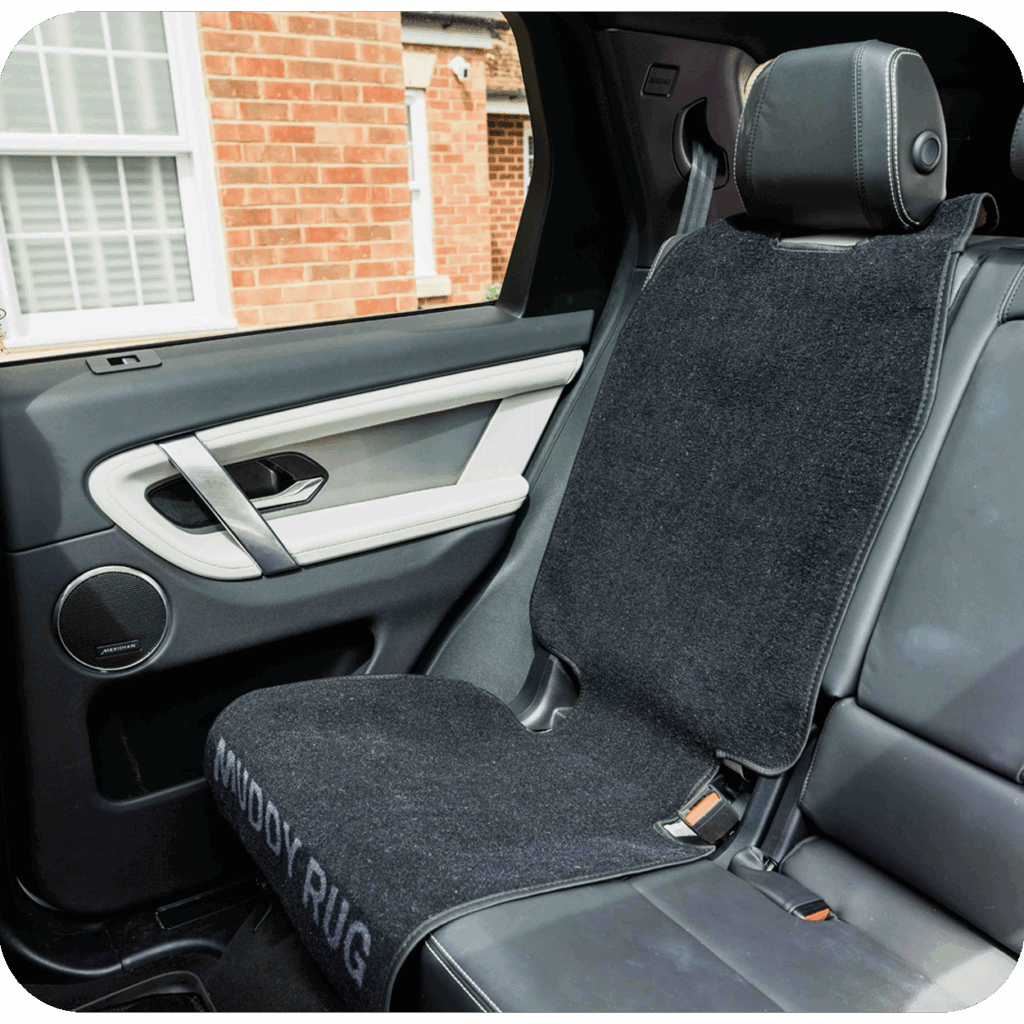
Car seats can quickly collect crumbs, dirt, muddy marks and moisture, particularly if children regularly climb in after days out or outdoor activities.
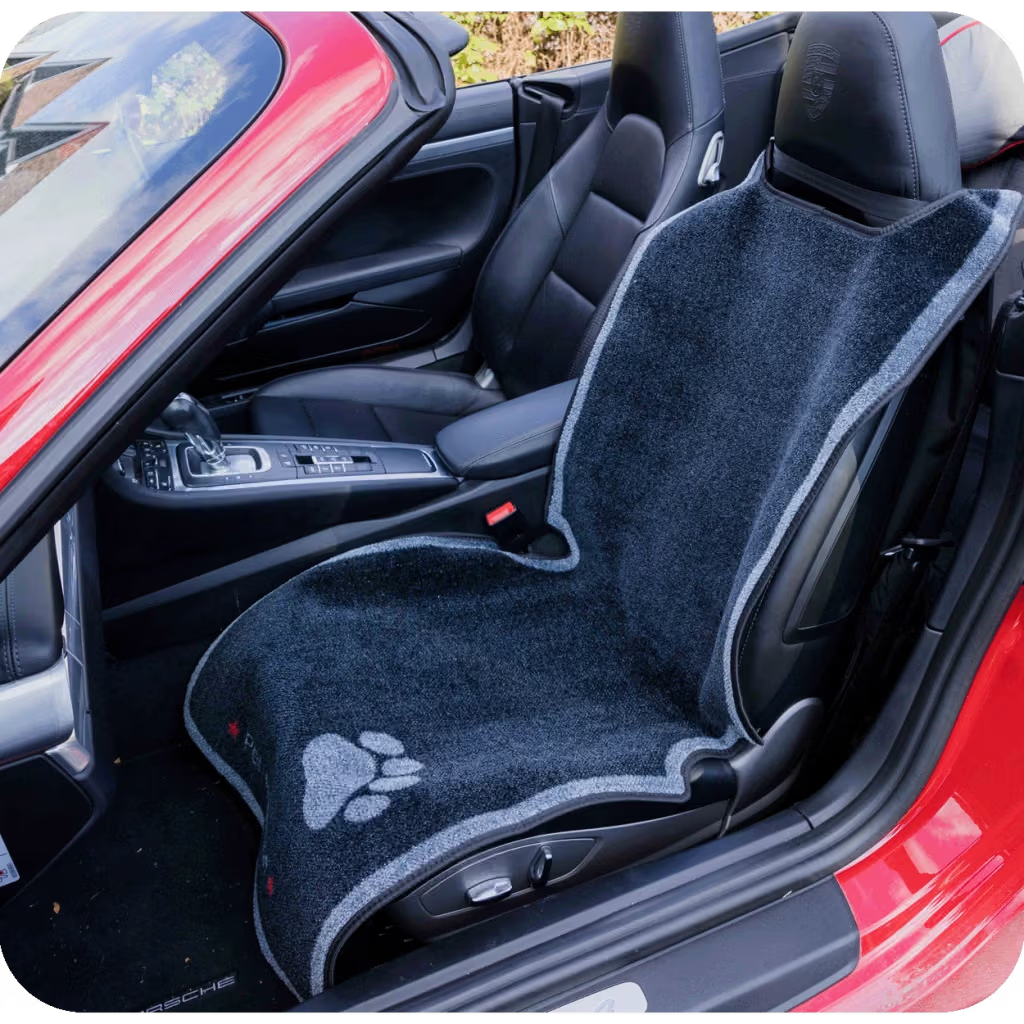
A protective car seat mat helps create a barrier between everyday mess and your vehicle’s upholstery. Our car seat mat is a practical and budget friendly option for helping protect the seat from muddy clothes, wet gear and general dirt.
It’s especially useful after trips to the park, walks in the countryside or weekends spent watching outdoor sports. Rather than worrying about every mark, you can remove the mat and clean it as needed.
Keep Mud off your Footwell Carpets
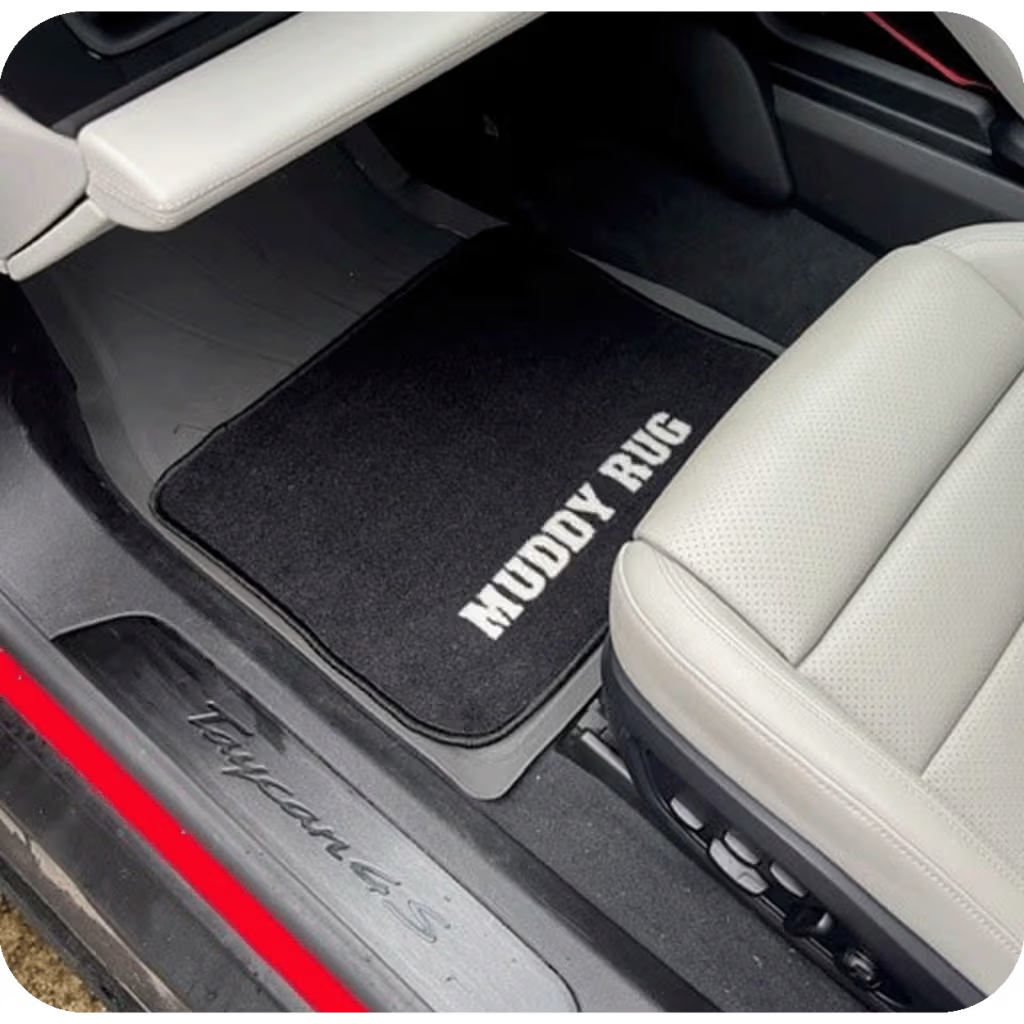
The footwells are among the first places to collect dirt. Wet shoes, muddy boots and grit can quickly leave marks on the carpets, especially during the wetter months.
Our footwell mats help protect these areas from the mess brought in on your shoes. They’re particularly handy if you enjoy walking, gardening, running or other activities that leave your footwear less than clean.
Give your shoes a quick knock before getting into the car, and remove loose mud where possible. Regularly shake out and clean your mats so dirt doesn’t build up around the edges or spread onto the original carpet.
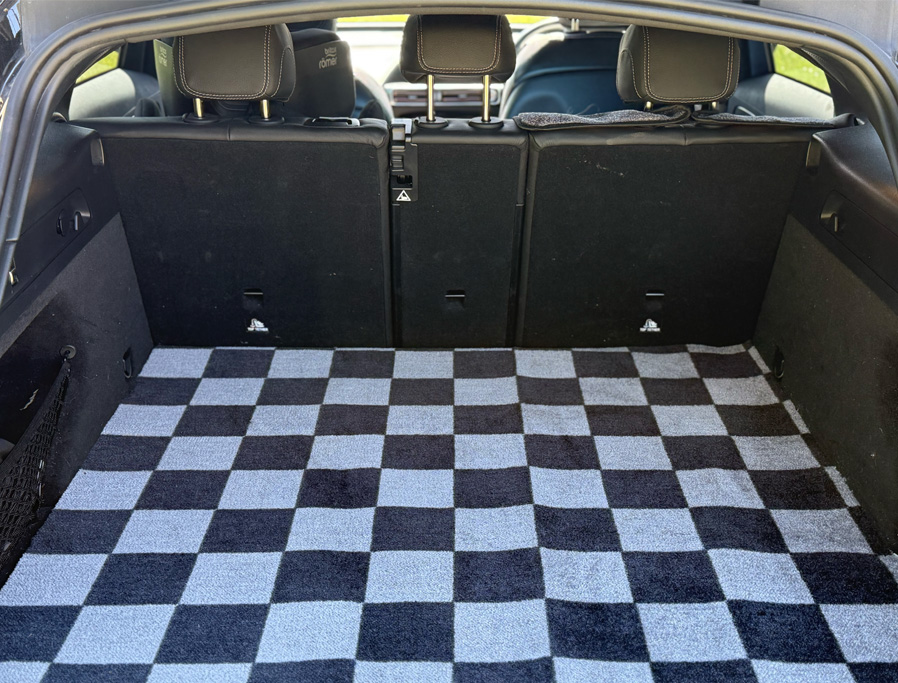
Keep your Boot Clean and Protected
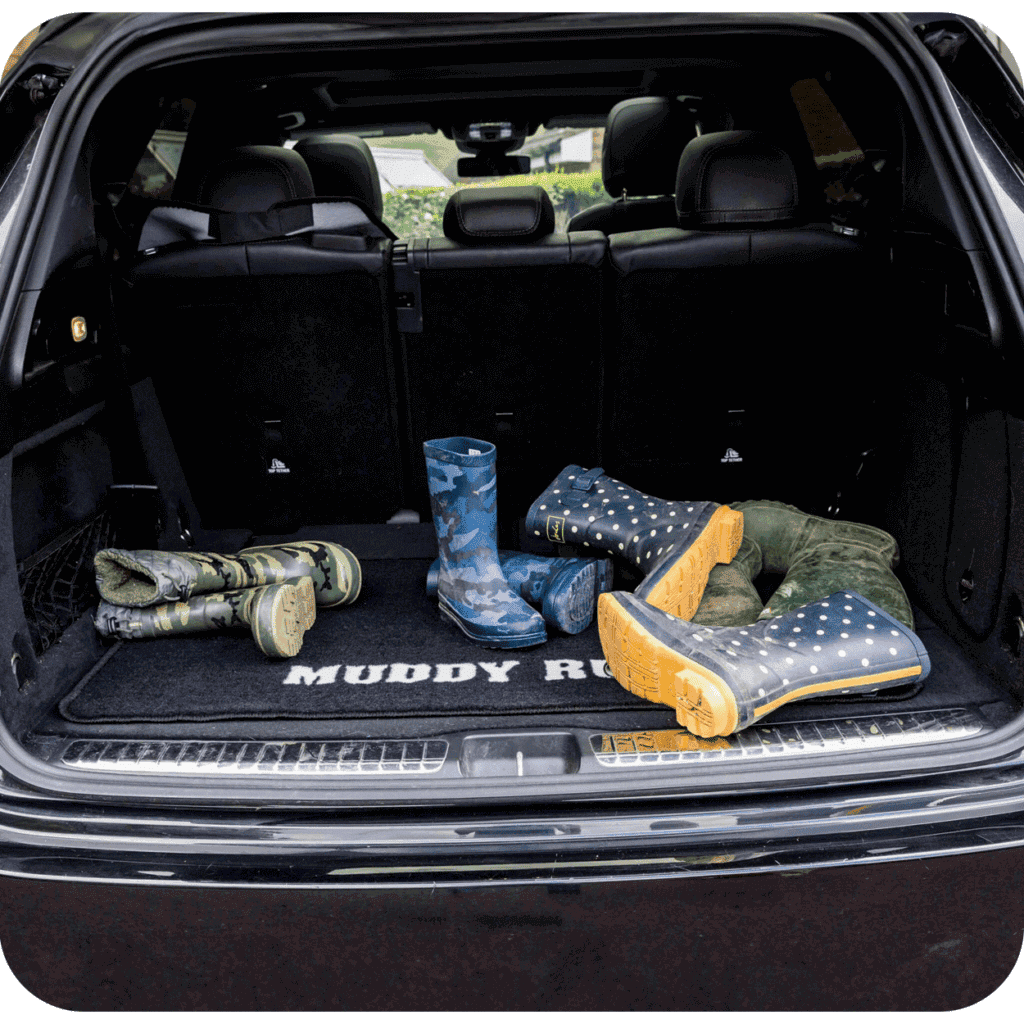
The boot often takes the brunt of everyday use. Shopping bags, pushchairs, sports equipment, muddy wellies and camping gear can all leave dirt, scratches or moisture behind.
Our car boot mat helps protect the boot lining from muddy and wet items. It’s useful if you regularly transport outdoor gear or have children who enjoy activities that involve plenty of mess.
For extra protection, get into the habit of removing muddy equipment as soon as you get home. Shake off loose dirt outside the car, keep wet items separate where possible and avoid leaving damp gear in the boot for long periods.
Stop Wet Clothes and Muddy Boots Causing Smells
Sometimes the problem isn’t the journey itself, but what happens when everyone gets back to the car. Children coming out of swimming lessons, muddy football boots after a match or wet coats after a family walk can leave seats and carpets damp.
A waterproof changing robe can make changing outdoors more comfortable while helping keep wet clothing away from the car’s interior. Our kid’s waterproof changing robe is worth considering for families who regularly head to the beach, swimming pool or outdoor activities.
Boot bags can also help keep muddy footwear separate from clean clothes and other belongings. Store dirty items together and take them out of the car when you arrive home, rather than letting mud transfer onto the boot lining or seats.
These small habits won’t prevent every mark, but they can help keep your car cleaner throughout the lease and will stop smells embedding into your upholstery.
How to Prepare Your Lease Car Before Return Inspection
Start checking your car around 10 to 12 weeks before the lease ends. This gives you time to identify potential problems, arrange professional repairs and gather any documents you need before the handover.
The BVRLA recommends carrying out an appraisal well before the return date, using good lighting and a clean, dry vehicle so you can spot damage clearly.
Work through this checklist:
- Wash and dry the exterior. Dirt can hide scratches, dents and paintwork problems.
- Inspect each body panel. Check the bonnet, doors, bumpers, roof and sides of the car in good daylight.
- Check the wheels and tyres. Look for kerb damage, uneven wear and any signs of damage.
- Inspect the glass and lights. Check the windscreen, windows, mirrors and light lenses for chips, cracks or faults.
- Clean the interior. Remove rubbish, vacuum the carpets and check for stains, tears and lingering smells.
- Check the boot and footwells. Remove any protective mats and look underneath for dirt, moisture or damage.
- Test the equipment. Make sure the controls, lights and other fitted features work as expected.
- Gather the essentials. Check that you have all keys, relevant documents and any equipment supplied with the vehicle.
If you find damage that may fall outside the agreed standards, contact your leasing company or get a second opinion. Don’t assume that every scratch needs repairing, and don’t pay for work before checking what your agreement requires.
Should You Repair Damage Yourself or Let the Leasing Company Charge You?
Repairing damage before returning your car can sometimes be cheaper than accepting the leasing company’s charge, but it’s worth comparing your options first. Some leasing companies offer surprisingly reasonable rates for common repairs, so arranging the work yourself isn’t always the cheapest option.
Small dents or localised paintwork damage may be suitable for professional minor repairs. More serious damage could require specialist work, so get a quote before committing.
It’s also worth asking your leasing company how it calculates repair charges. Some providers use set rates for common types of damage, which can make the cost more predictable and, in some cases, comparable to what you’d pay a repairer yourself. If the charge is reasonable and the repair meets the required standard, paying the leasing company may be simpler than arranging the work independently.
Before making a decision, compare the quoted charge with a local repair estimate and check whether any applicable pricing limits or fixed rates are set out in your agreement or the leasing company’s damage policy. Don’t assume the same rates apply to every provider or type of repair.
Regular Care to Keep your Car Free from Damage
Looking after your car throughout the agreement is easier than trying to fix months of wear and mess just before it’s due back. Regular cleaning, sensible storage and routine maintenance can help you spot problems early and keep the vehicle in good condition.
You don’t need to spend every weekend cleaning your car. Focus on the areas that see the most use, such as the seats, footwells and boot, and deal with spills or mud before they become harder to remove.
Protective mats can make this routine simpler by catching dirt before it reaches the original interior.
It’s also important to follow the manufacturer’s servicing schedule and keep relevant maintenance records. Report mechanical issues promptly rather than leaving them until the end of the lease.
Recommended products
-

Car Boot Rug
£14.99 -
Car Seat Rug
£29.99 -
Footwell Rug
£4.99 -
Isofix Car Seat Rug
£29.99 -
Sports Seat Rug – Fixed Headrest
£29.99