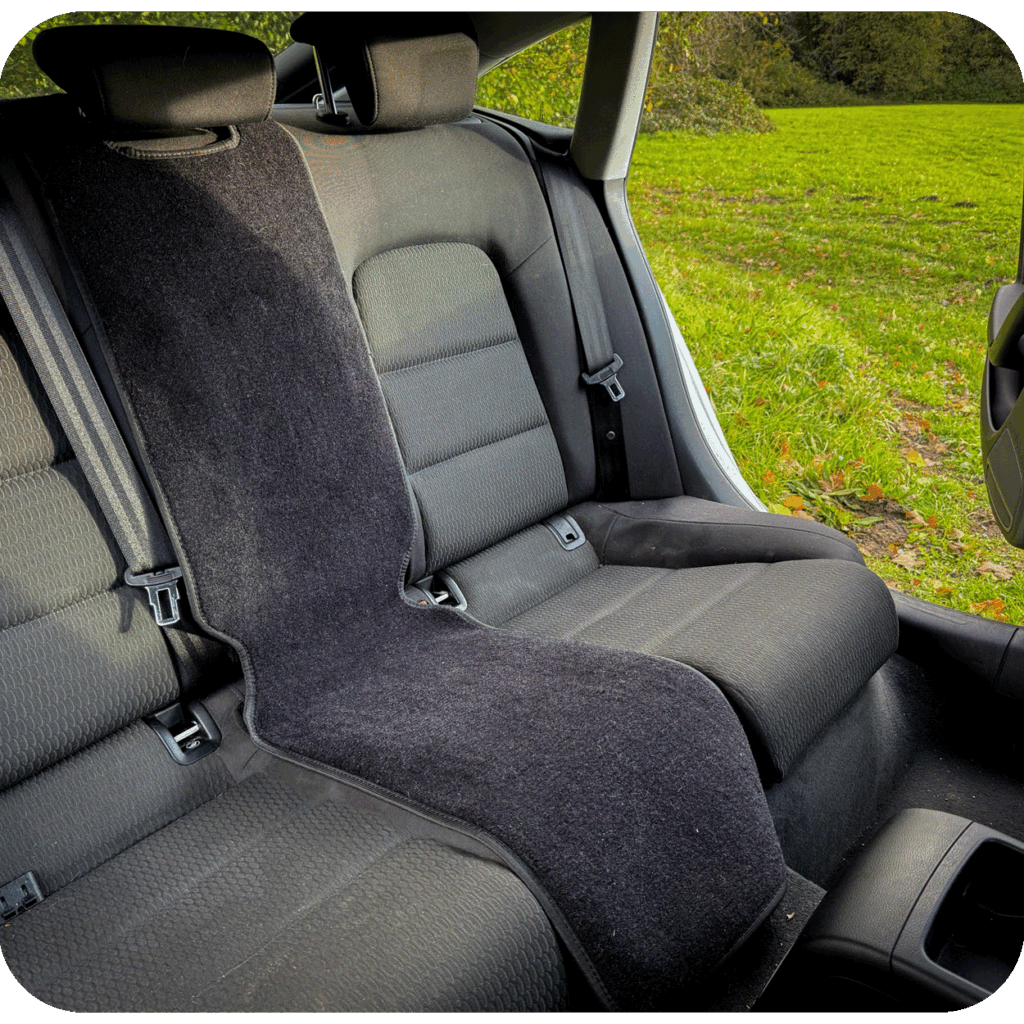
They say don’t cry over spilled milk, but anyone who has experienced a milk-spill in their car can definitely understand why it might reduce you to tears. If your child has spilled milk in the backseat without you knowing about it, then it’s only a matter of time before you open the car door one day and are hit with one of the worst smells imaginable.
If this has happened to you, then you can follow our guide to learn how to remove milk stains and neutralise those sour smells from all types of car seats, including fabric and leather, to make your car smell clean and fresh once again.
Why Milk Stains Are a Challenge for Car Seats
Milk contains proteins, fats, and sugars that soak deeply into car seat fabrics and padding. This makes it prone to staining, odour buildup, and bacterial growth if not cleaned quickly.
Unlike water spills, milk can sour and produce a strong, unpleasant scent that gets worse in warm conditions. The biological nature of milk means you might need specially targeted cleaning methods to fully eliminate stains and odours if they have been allowed to sit for a long time.
How to Clean Milk Spills from Car Seats
Before jumping into the step-by-step, there are a few things you need to know. First, you may have to follow different instructions based on if you have fabric or leather car seats. We list both methods below.
Second, whenever you are cleaning spills on your car seats you always want to make sure that you are blotting not rubbing.
Ideally, you should blot any spills as soon as they happen to remove most of the spilled milk before it sets, but sometimes it’s not possible to act this fast. Even so, when tackling your stain you should always avoid rubbing as this only pushes the milk deeper into the car seat rather than removing it.
Cleaning Fabric Seats
- Mix a mild dish soap like Fairy Liquid with warm water.
- Apply the solution sparingly with a clean cloth and gently blot the stain. Always test cleaning products on a non-conspicuous area first to make sure it is safe to use.
- Rinse by dabbing with a cloth dampened in clean water to remove soapy residue.
- Sprinkle baking soda liberally over the area to neutralise odours. Leave overnight and vacuum thoroughly.
- Allow the seat to air dry fully in a well-ventilated space or with windows open.
- For large spills or if this hasn’t fully worked, then a wet/dry vacuum can help extract milk from deep within the seat cushion.
Cleaning Leather Seats
- Blot up excess milk immediately with a soft cloth.
- Use a leather-specific cleaner – avoid using vinegar or harsh chemicals that will damage the leather. Remember, test cleaning products on non-conspicuous areas first.
- Lightly wipe the stain with a damp microfiber cloth and leather cleaner.
- Apply baking soda sparingly for odour removal if needed, vacuum after a few hours.
- Condition your leather seats afterward to keep them supple.
Tough Stains and Odours
For stubborn milk stains and smells, enzymatic cleaners formulated to break down biological substances are most effective. These enzymes digest the milk proteins and fats that are causing the odour.
- Spray an enzymatic cleaner generously over the affected area.
- Let it sit for 10–30 minutes to work into the fibres.
- Agitate gently with a soft brush if needed.
- Blot excess moisture and allow the seat to air dry completely.
How to Remove Lingering Odours from Milk Spills
Even after you have cleaned up the visible mess, milk can leave behind a stubborn smell. This usually happens because bacteria continue to feed on any residue left deep within the seat. To fully get rid of the odour, you need to target both the source of the smell and the moisture that allows it to linger.
One of the simplest and most effective methods is to sprinkle baking soda over the affected area and leave it overnight. This gives it enough time to absorb unwanted odours before you vacuum it away the next day. For fabric seats, you can also use a light spray made from one part white vinegar and four parts water. Just be sure to test a small, hidden area first to avoid any potential damage or discolouration.
Fresh air makes a noticeable difference too, so open your windows and, if possible, park your car in direct sunlight to help speed up the drying process. For more persistent smells, an enzyme based odour eliminator designed for organic stains can break down the remaining particles causing the issue.
If the smell still refuses to go away, it may be worth seeking professional detailing. Professional detailers have specialist equipment to handle damage like this, giving them the best chance at removing any lingering smells but coming at a cost.
Preventing Milk Spills and Protecting Your Car Seats
Preventing future milk stains from setting is a much more sensible plan than just cleaning your seats any time it happens.
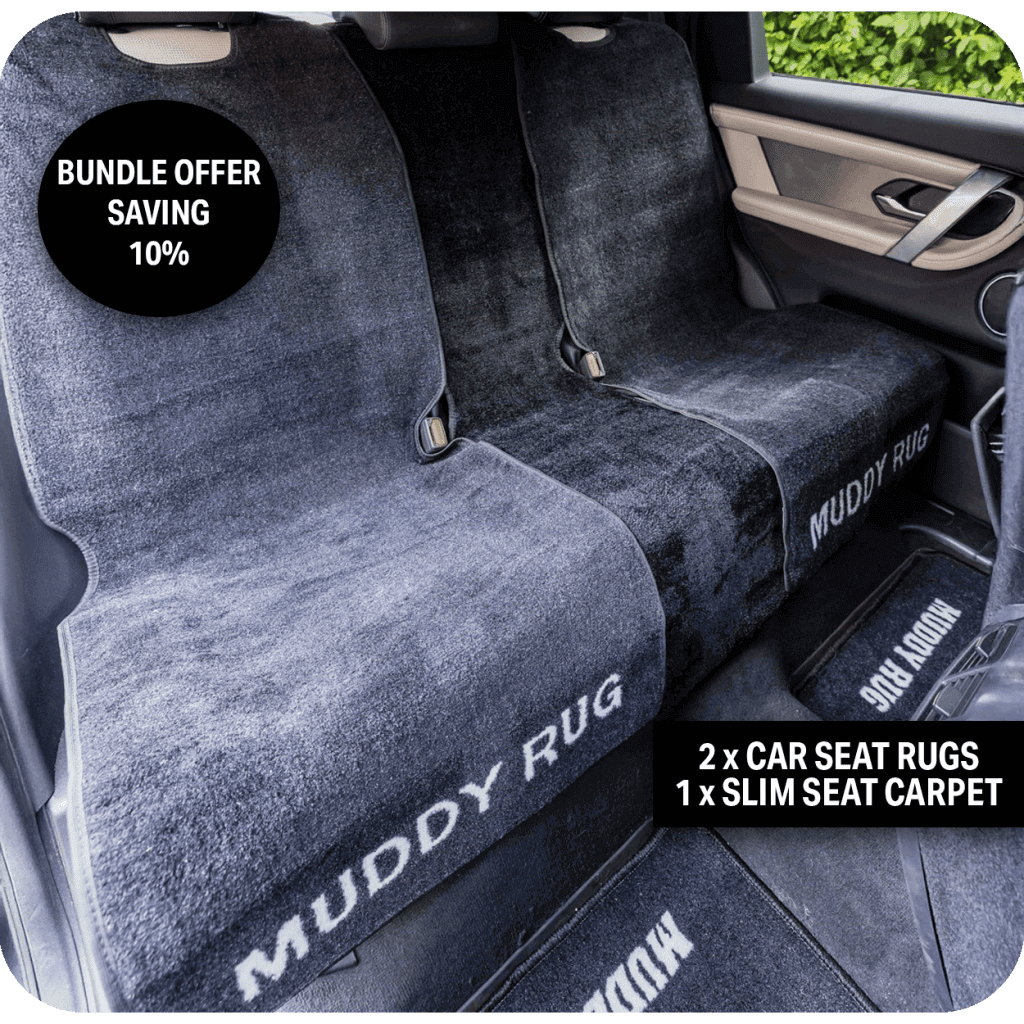
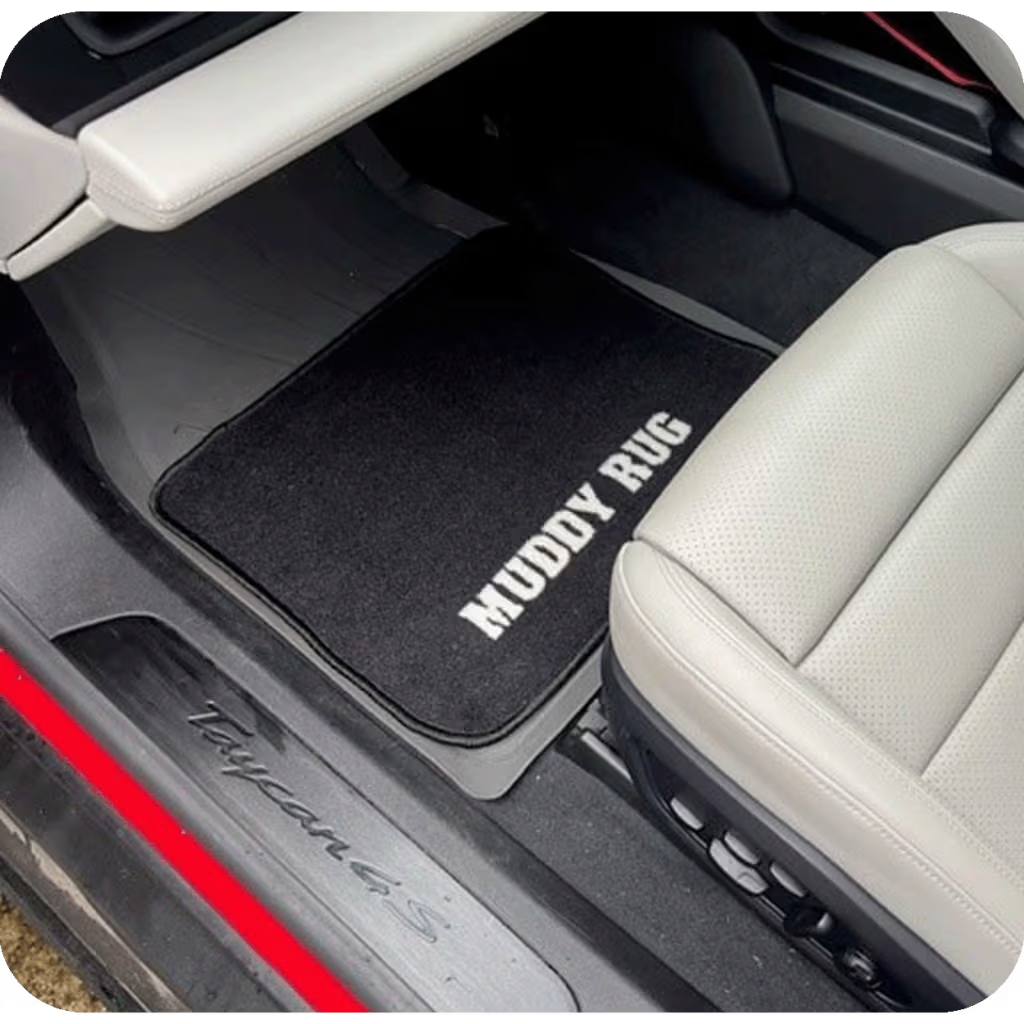
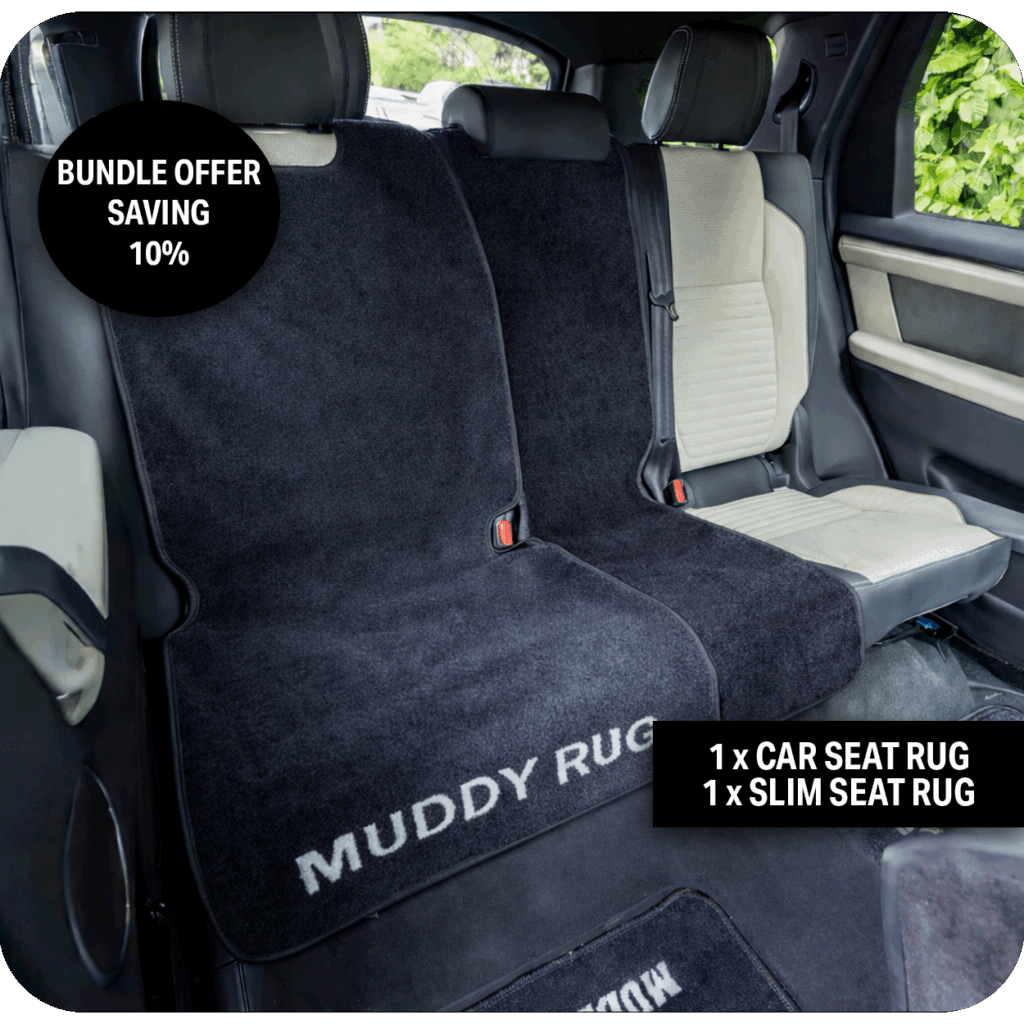
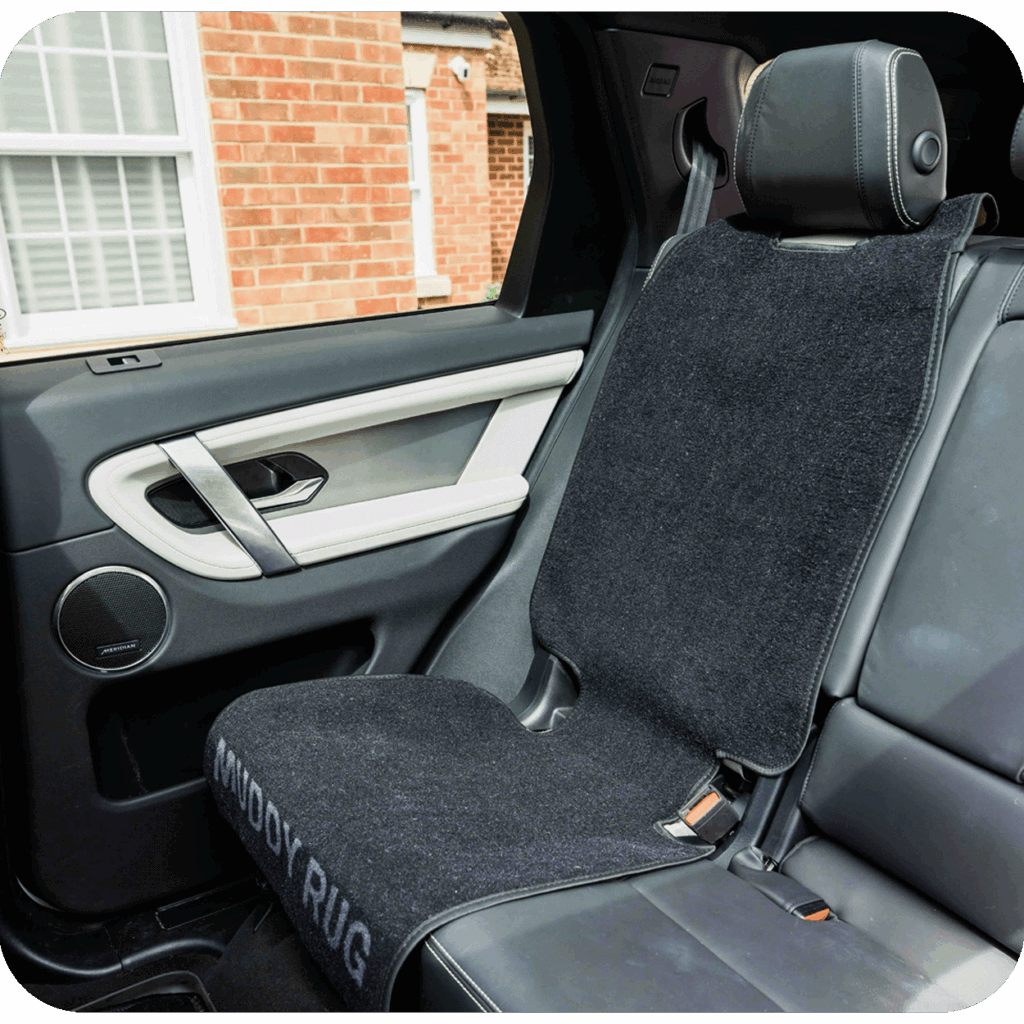
Car seat mats and car footwell protectors create barriers over the top of your car’s interior, keeping any spilled milk or other unwanted mess away from your upholstery. This means your car stays cleaner for longer, and if you do have any spills you can just remove your covers and clean them in the washing machine.
Yes, accidents happen, but this doesn’t mean they have to ruin your car seats. By protecting your car you can make sure that it’s always hygienic and ready for your next journey whatever your kids may throw at it.
-
Back Seat Rug Set
Original price was: £77.97.£70.17Current price is: £70.17. -

Footwell Rug
£4.99 -
Half Back Seat Rug Set
Original price was: £47.98.£43.18Current price is: £43.18. -
Isofix Car Seat Rug
£29.99 -
Slim Seat Rug
£17.99