


Juice spills in your car can be a frustrating problem. The sticky sugar content can quickly seep into carpets and fabric seats, leaving stubborn stains and persistent odours. Whether it’s orange juice, apple juice, or any other fruity drink, acting promptly and using the right techniques is your best chance to restore your car’s interior to its fresh, clean state.
This Muddy Rug guide will show practical, easy-to-follow steps on how to tackle juice stains in your car with minimal risk of damage to your upholstery.
Juice Stain Removal by Car Seat Materials
Different cleaning methods are suitable depending on if your car seats are fabric, leather, or vinyl. Using the wrong approach can make the stain worse or damage the material, so it is worth taking a moment to match the method to the surface you are cleaning.
Fabric Seats
Fabric seats are highly absorbent, which means juice can sink in quickly and leave behind a visible mark. After blotting up as much liquid as possible, mix warm water with a few drops of gentle detergent or dish soap that is safe for fabric. Lightly spray or sponge the solution onto the stained area, taking care not to soak the seat.
Blot again using a clean microfibre cloth to lift the stain from the fibres rather than rubbing it deeper in. If the mark is stubborn, you can make a paste using baking soda and warm water. Apply it to the stain and leave it for around 30 minutes before gently working it with a soft brush.
To finish, blot with clean water to remove any residue and allow the seat to air dry, ideally with the car windows open for ventilation.
Leather Seats
Leather needs a much gentler approach, as too much moisture can cause discolouration or cracking. Avoid soaking the surface. Instead, use a dedicated leather cleaner or a simple solution made from equal parts white vinegar and olive oil, applied sparingly with a soft cloth.
Gently wipe the stained area without scrubbing aggressively, then dry the surface straight away with a clean cloth. Once the stain has been removed, apply a leather conditioner to restore moisture and keep the material supple. This step helps prevent drying and long term damage.
Vinyl Seats
Vinyl is more resistant to stains than fabric or leather, but it still benefits from careful cleaning. A mild detergent mixed with warm water is usually enough to remove juice residue. Use a soft cloth to wipe the affected area, working steadily rather than scrubbing harshly.
Avoid abrasive brushes or scouring pads, as these can scratch the surface and dull the finish. With gentle cleaning and proper drying, vinyl seats typically return to their original look without much difficulty.
Act Quickly for Easy Juice Stain Removal
Removing a juice stain right after the spill happens can dramatically improve the results. Juices contain sugars and dyes that bind to fabric fibres, and the longer they remain, the harder they are to remove.
The first step should always be to blot any excess liquid gently with a clean cloth or paper towel. Avoid rubbing because it spreads the stain and pushes it deeper.
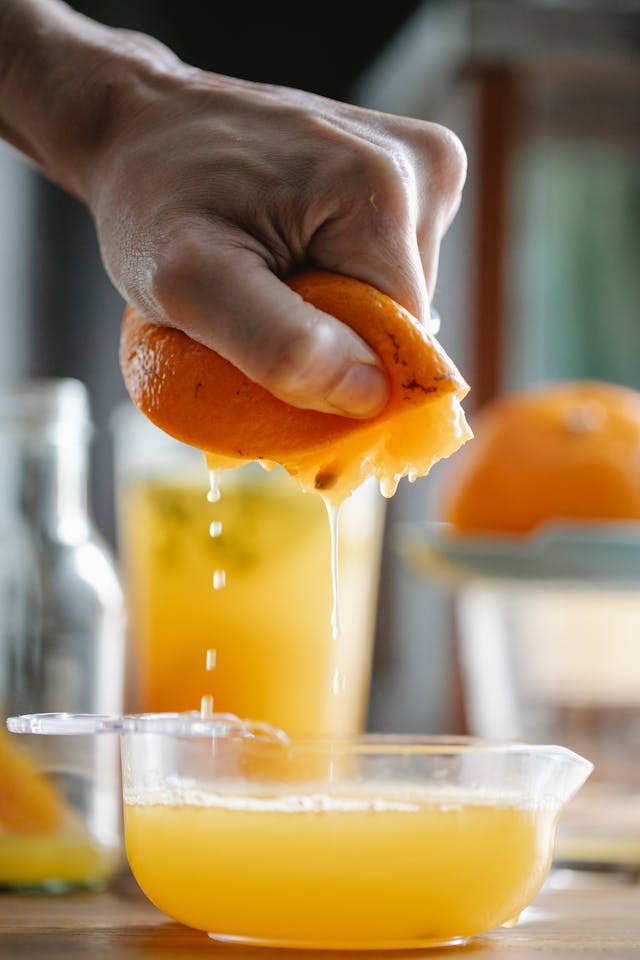
Next, lightly dampen the area with plain, cold water to dilute the sugary content before applying cleaners. This early intervention limits how much the juice settles in, preventing sticky residue and sour odours, which attract dirt and worsen over time.
How to Get Rid of Smells After Juice Spills in Cars
Unpleasant odours may linger after you have cleaned your juice spills, especially if it has been allowed to sit for a long time. To neutralise these smells, you should sprinkle baking soda liberally over the affected area and leave it overnight. Baking soda absorbs moisture and odours and will help make your car smell fresh and clean.
Keep the car ventilated during and after cleaning to speed up drying and odour dissipation. Vacuum thoroughly the next day to remove all of the residue from the baking soda and reveal your as-new surface.
Choosing the Right Products
Not all cleaning agents are safe for car interiors. Harsh chemicals can cause fading, discolouration, or worsening of the stain.
Steer clear of bleach and ammonia-based products. These are sure to discolour your car’s interior and can leave behind a nasty smell if left unventilated. However, enzyme cleaners can be very effective especially on tough stains, but ensure they are automotive safe before applying them.
When You Need a Professional Detailing Service
If juice stains have set in for days or you face stubborn odours and sticky residues that home remedies cannot fix, it might be time to call in the experts.
Professional car cleaners will have specialised tools like steam cleaners and commercial grade products designed to deep clean without damage. This especially applies for delicate or expensive interiors where DIY risks permanent harm.
Car valets can restore the look and freshness of your car’s interior and help to protect it from any future damages.
Stain Prevention Tips for Families from Muddy Rug
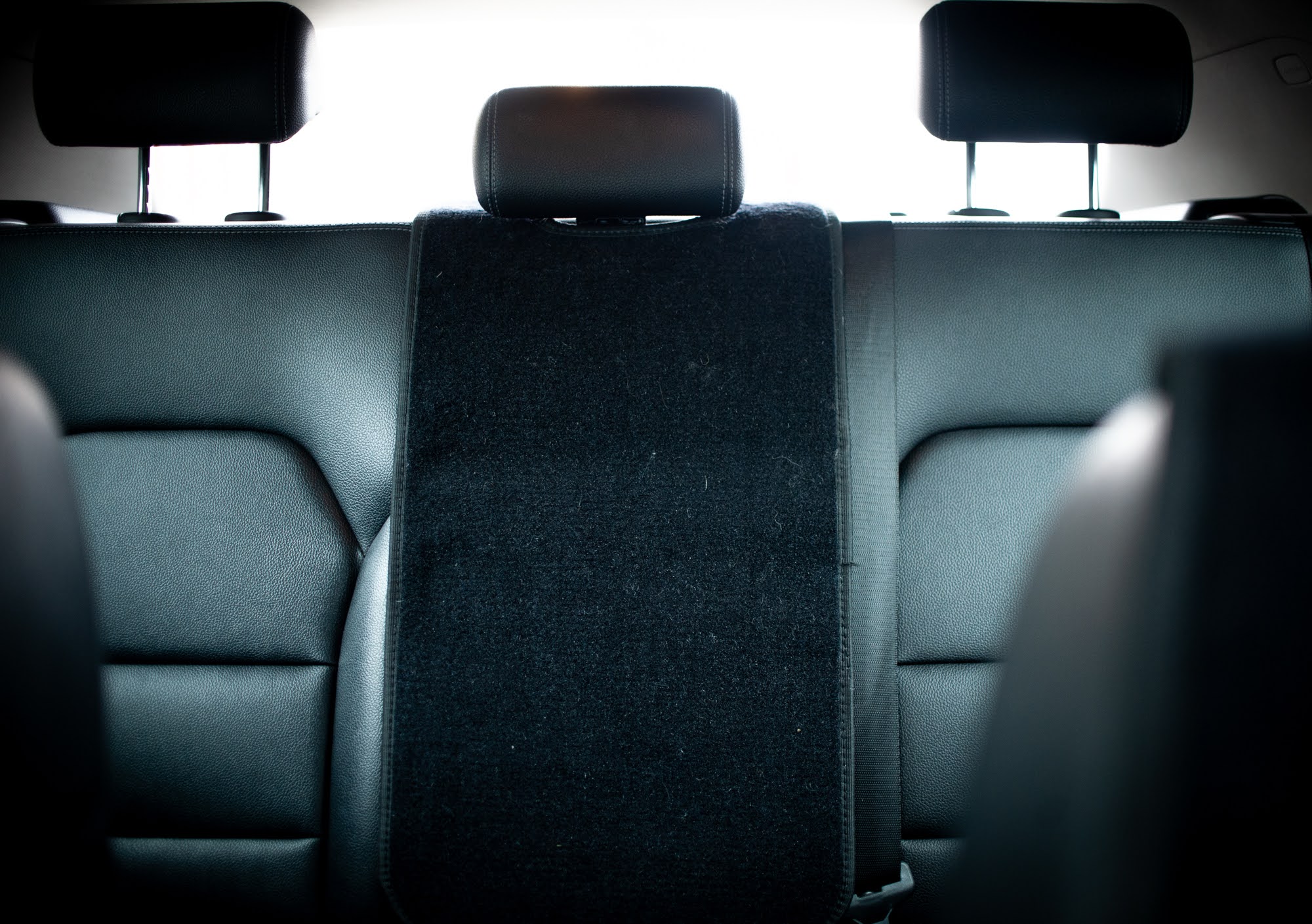
The best tip for preventing juice stains is to use products like Muddy Rug’s car seat mats and car footwell protectors. This means that any spills avoid becoming embedded into your car’s interior and instead can be easily cleaned after removing them from the vehicle, avoiding the uncomfortable clean while cramped in the back of the car.
With these expert tips and a careful approach to cleaning products, you can maintain a clean, odour-free, and well-protected car interior that stands up to even the busiest sporting weekends.